Rummy How-To: Review a Hand at Fixed Information Points
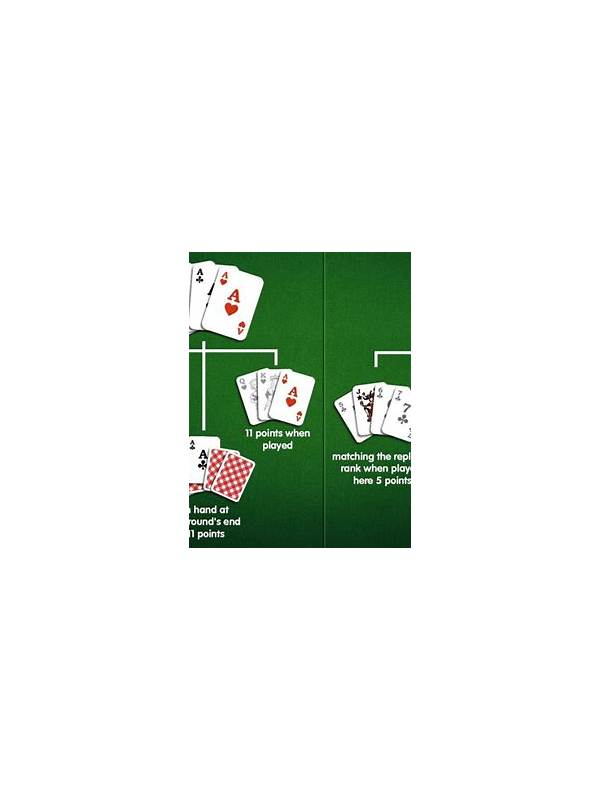
Frequent reassessment can improve rummy decisions, but reviewing after every tiny change may create noise. Fixed information points give the hand a rhythm. You can review after the opening deal, after a small number of draws, and when the hand enters its endgame, adapting the exact moments to the format and timer.
At the opening point, inventory the hand. Separate completed groups, promising partial groups, and isolated cards. Do not choose a final plan yet. The purpose is to understand the starting shape and identify the most urgent problem, such as a high-value card with no connection.
At the middle point, compare what changed. Which cards improved, which plans lost support, and which new information came from the discard pile? Count unfinished groups rather than simply counting cards. A hand with fewer loose cards is not necessarily healthier if every remaining group depends on one narrow draw.
At the endgame point, switch from exploration to verification. Check whether each proposed group is legal, whether any card is being reused, and whether the discard leaves the hand in the required shape. If the hand is not ready, identify the clearest remaining route and the cost of waiting for it.
Between these points, make ordinary turn decisions without reopening every earlier conclusion. A new card may require an immediate change, but not every discard is a reason to redesign the hand. After practice, fixed reviews reduce mental fatigue because you know when a full scan is due. Record one observation afterward, such as “the middle review came too late,” and adjust the next practice round. The method is a discipline for attention, not a promise of a winning result.
Use a clock when practicing. If a review runs long, remove decorative detail and keep group status, missing links, and the next priority. Similar review points also make different sessions easier to compare. You may discover that you change plans after ordinary discards or wait too long before releasing an expensive single. Those patterns are more useful than a general conclusion that a hand felt unlucky.
If a review point repeatedly arrives during a difficult timer window, move it earlier or use a compressed version. A routine should fit the table rather than compete with it. Even a ten-second check can identify a reused card, an unsupported route, or a discard that has become urgent.
The review can be mental, written, or spoken quietly; choose the form that fits the setting. What matters is that the same categories recur. Consistent categories make it easier to notice whether your decisions improve as information accumulates.
Related Post
Rummy Comparison: Face Cards and Low Cards as Deadwood
Face cards and low cards can both become deadwood, but their risks and possible connections [...]
Rummy Guide: Use a Constraint Ladder When Choices Multiply
A constraint ladder turns a crowded rummy hand into a short sequence of practical decisions. [...]