Rummy How-To: Sort a New Hand Without Losing Flexibility
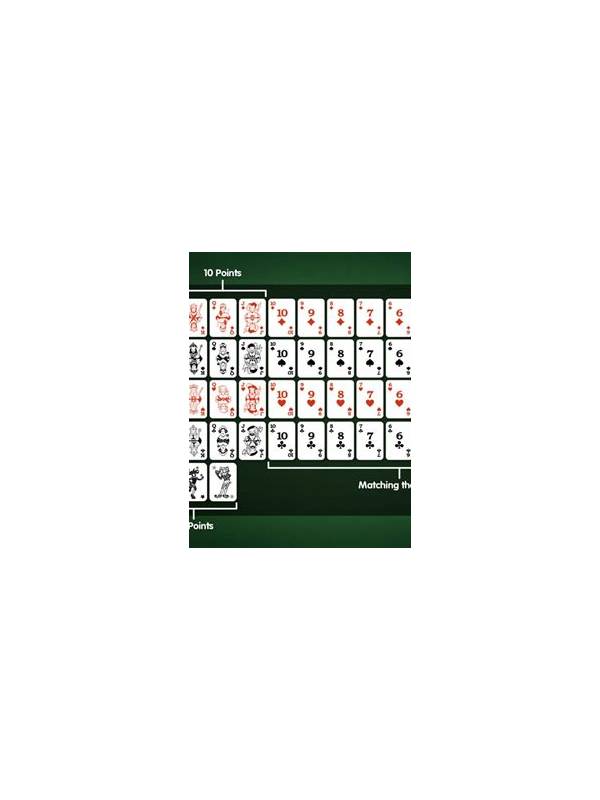
Sorting a new hand is more than arranging cards neatly. A good layout helps you see sequences, sets, loose cards, and competing possibilities without committing too early. The objective is clarity: you should understand the hand’s current structure and what information is still missing.
Start by separating cards into broad categories. Place obvious same-suit connections together, place matching ranks in a separate area, and leave uncertain cards between them or in a temporary row. Do not force a card into a group just because it is near another card. An honest loose-card area makes weaknesses visible.
Look for a likely pure sequence first, according to the rules of the format. Mark the cards that can support it, but keep alternate connectors nearby if they could serve another route. For example, a middle card may connect to a run on either side. Moving it permanently into one group can make you overlook the second option.
After the first scan, identify the most expensive loose cards and the cards with the fewest realistic improvements. These are candidates for future discards, not automatic discards. Before throwing one away, check whether an opponent has revealed interest in that suit or rank and whether the card helps protect a developing structure.
Use a stable physical or digital layout throughout the hand. Frequent rearranging can cause cards to be overlooked and may make it difficult to remember what changed. If the interface offers automatic sorting, verify how it treats jokers and wild cards. A tidy display is helpful only when it reflects the actual rules.
Re-sort after meaningful events, such as drawing a connector or abandoning a narrow plan. Do not reorganize after every card merely to make the hand look attractive. With each change, ask three questions: what groups are complete, what group is closest to completion, and which card has the least future value? These questions turn sorting into a decision process.
Before a declaration, perform a final independent check. Temporarily ignore the visual groupings and count the cards in each sequence or set. Confirm that the required pure sequence exists and that every card is accounted for. A clear layout supports good decisions, but only a rule check can confirm a valid hand.
If the table supports accessibility options, choose a card size, contrast level, or spacing that makes suits and ranks distinct. Better visibility is part of good sorting, especially on a small screen or in changing light.
Related Post
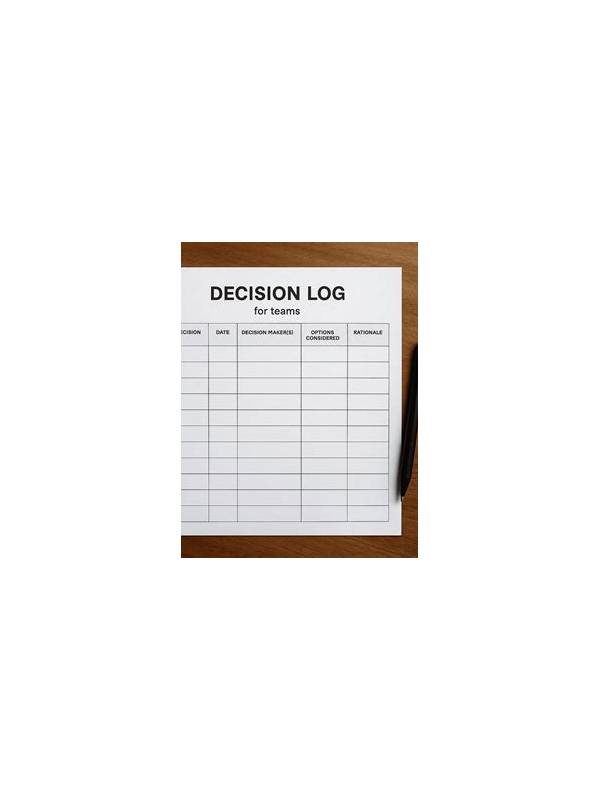
Rummy Guide: Use a Decision Log to Review Finished Hands
A short decision log turns finished rummy hands into specific lessons instead of broad impressions [...]
Rummy How-To: Separate Practice Goals From Results
Build better rummy skills by measuring the process you intended to practice instead of only [...]