How to Explain Rummy Scoring to a New Player
New players often understand drawing and discarding before they understand scoring. A short explanation before the first hand prevents confusion and keeps the focus on legal groups rather than intimidating arithmetic.
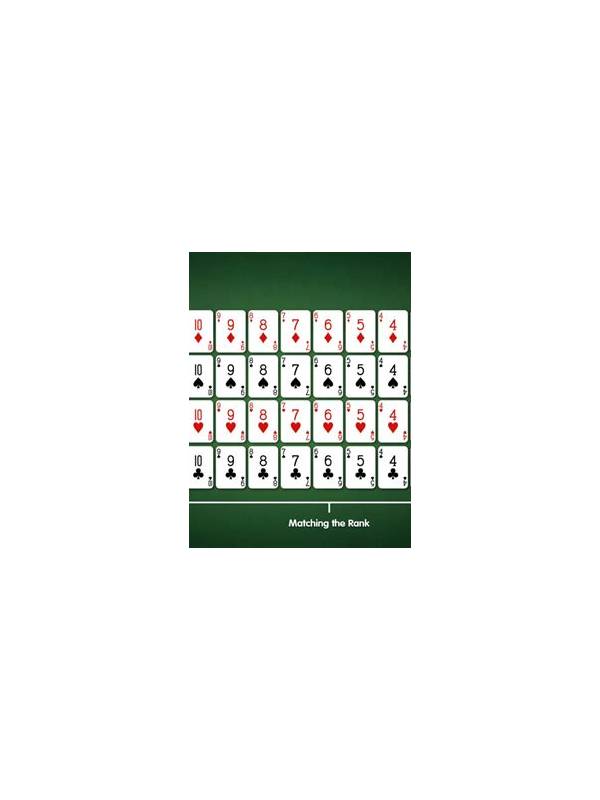
Begin with the objective: arrange the hand into valid sequences and sets, then declare according to the format’s rules. Explain that a sequence uses consecutive cards of the same suit, while a set uses cards of the same rank in different suits. A pure sequence has no joker substituting for a missing card, and many formats require one before a declaration is valid.
Then explain points as penalty exposure. Cards left in an invalid or ungrouped hand can contribute to the score, with high cards commonly carrying more points and aces often treated according to the table rules. The exact values should be checked in the platform’s rules because formats and scoring caps can differ. The winner is not simply the person who held the prettiest opening cards.
Use an example without turning it into a promise. A player who forms one pure sequence and another valid group may be close to a legal declaration, while a hand containing several expensive isolated cards remains exposed. A joker can reduce that exposure when used under the rules, but it does not automatically replace the need for a pure sequence.
Clarify what happens after a declaration. The system checks the groups, and an invalid declaration can carry a penalty. Players should therefore pause to verify every card before pressing the button. If a round is part of a pool or deals format, explain how the result contributes to the larger score.
Finish by separating score knowledge from prediction. Understanding points helps a player choose which cards to release and recognize danger, but it cannot control the draw or another player’s hand. Encourage the beginner to use practice mode, ask questions before playing for money, and stop whenever the rules or limits no longer feel clear.
An easy teaching method is to ask the learner to explain the hand back in their own words. Have them point out the pure sequence, any other valid group, and the cards still carrying points. Correct one misunderstanding at a time. Confidence should come from clear rules and careful checking, not from pressure to declare quickly.
Related Post
Rummy Comparison: Protecting a Group Versus Protecting a Card
Comparing a card's individual value with the value of the group around it helps resolve [...]
Rummy FAQ: When Should You Abandon a Nearly Complete Group?
A nearly complete group deserves review when its cost, timing, or available outs no longer [...]