Rummy FAQ: When Should You Re-Sort Your Hand?
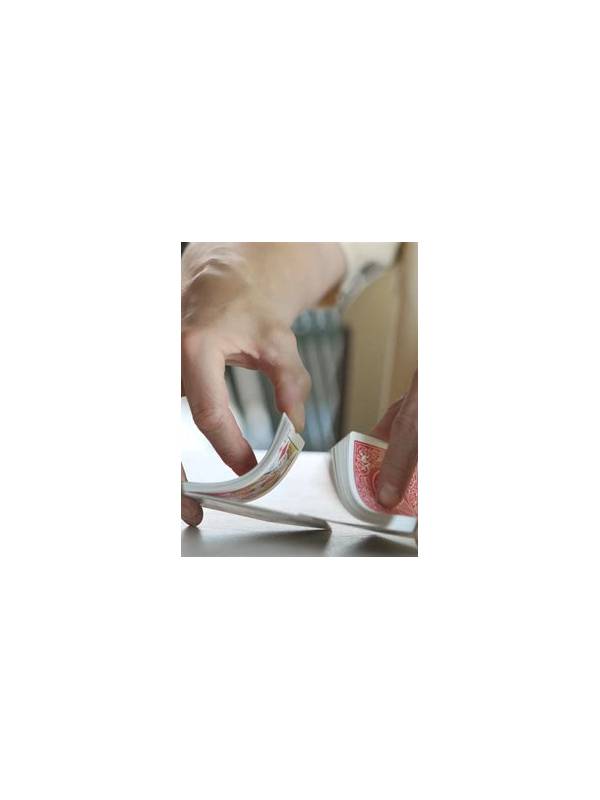
You do not need to rearrange your rummy hand after every card, but you should re-sort whenever the structure changes. A useful sort is one that makes legal groups, possible sequences, and loose cards visible. If your layout no longer answers those questions quickly, it is time to rebuild it.
The first good moment is immediately after the initial deal. Separate obvious sequences, sets, pairs, and single cards. Then leave a small gap between groups rather than forcing every card into a permanent home. Flexible cards often belong to more than one possible group, so placing them in a neutral position prevents an early guess from controlling the rest of the game.
Re-sort after a draw that completes or breaks a route. A new card may turn three unrelated cards into a sequence, or it may make a duplicate more useful elsewhere. Put the new card beside each plausible partner before choosing a discard. This small pause is particularly valuable when the card came from the open pile, because its visible identity can make players rush to protect the apparent combination.
You should also re-sort after discarding a key connector. Removing a central card can split a sequence idea into two separate fragments. Seeing those fragments clearly helps you decide whether to keep pursuing one, preserve both briefly, or abandon the route. Do not let the former arrangement persuade you that a broken plan is still strong.
A final re-sort is useful near the end of a round. Count the cards required by each unfinished group and check whether the hand satisfies the variant’s declaration conditions. Look for an accidental duplicate, an ungrouped high card, or a card that belongs to a route you no longer intend to complete. This is a legality check, not merely a tidying exercise.
Keep the physical or digital layout consistent during practice. Change one feature at a time, such as grouping by suit first and then by rank, and note which method reveals mistakes faster. The best arrangement is personal and variant-specific. Its purpose is simple: make the next decision readable before the clock or table pressure makes it feel urgent.
Avoid constant rearranging for cosmetic reasons. Excess movement can make you lose track of what changed. Use a fixed starting layout, then adjust only when a card enters or leaves a meaningful group. If the platform offers automatic sorting, check what order it uses before relying on it. A setting that sorts by rank may hide the same-suit relationship you need to inspect.
Related Post
Rummy Tips: Use a Recovery Card in Every Plan
A recovery card gives an incomplete rummy plan a second job when its first expected [...]
Rummy Practice: Explain a Discard in Three Sentences
A three-sentence explanation drill reveals whether a rummy discard was based on structure, risk, and [...]