Rummy Guide: Narrow a Crowded Hand With a Constraint Ladder
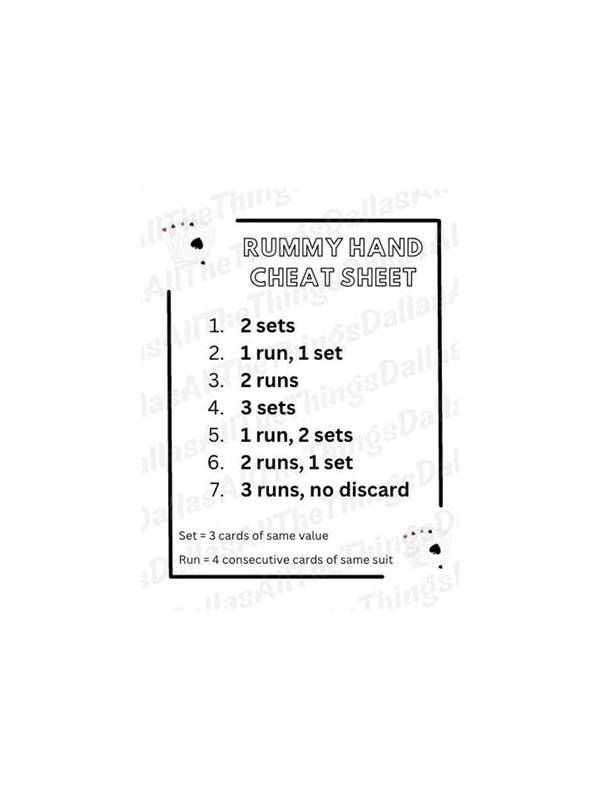
Some turns become difficult because every card appears to support a different idea. A constraint ladder reduces the choices step by step. It is not a secret formula; it is a repeatable order for asking which options are legal, useful, affordable, and still reversible.
Start with legality. Remove any group or declaration that conflicts with the current variant rules. Next, protect confirmed requirements, especially groups that are difficult to replace or required for a legal finish. Then identify routes that are still live: count the missing cards and distinguish broad requirements from precise ones.
The third rung is replacement cost. If you release a card, what would be needed to recreate its role? A high-cost replacement deserves more caution than an isolated card with no current use. The fourth rung is information. Prefer a choice that keeps the hand understandable and leaves a clear way to reassess, when the scoring and timing situation do not strongly favor immediate risk.
The final rung is a tie-breaker. It might be points, a pre-set deadline, or the simpler route. Choose one before comparing candidates so you do not change standards to defend a favorite card. If two choices remain equal, record that uncertainty and use the option with the clearer fallback.
Do not apply every rung mechanically when the hand is obvious. The ladder is most useful when choices multiply or when emotion makes every card feel urgent. Practice by stopping after each rung and listing what was removed. This shows whether a constraint actually narrowed the decision or merely added words.
Review the ladder after the hand. If legality checks were missing, update the rule card. If replacement cost was hard to estimate, practice card-role labels. If every choice survived until the final rung, your constraints may be too general. A short, consistent ladder turns a crowded turn into a sequence of manageable questions while leaving room for honest uncertainty.
Write the ladder at the top of a practice sheet: legal, required, live, costly, informative, tie-break. Cross out a rung when it does not apply. This prevents the loudest feature of the hand, such as a joker or attractive pair, from deciding everything too early. When the hand is nearly complete, check legality and required groups first, then protect the route that can actually finish.
If the ladder produces no clear winner, accept the tie and choose the simpler legal action. Review the uncertainty later instead of forcing confidence into the turn.
Related Post
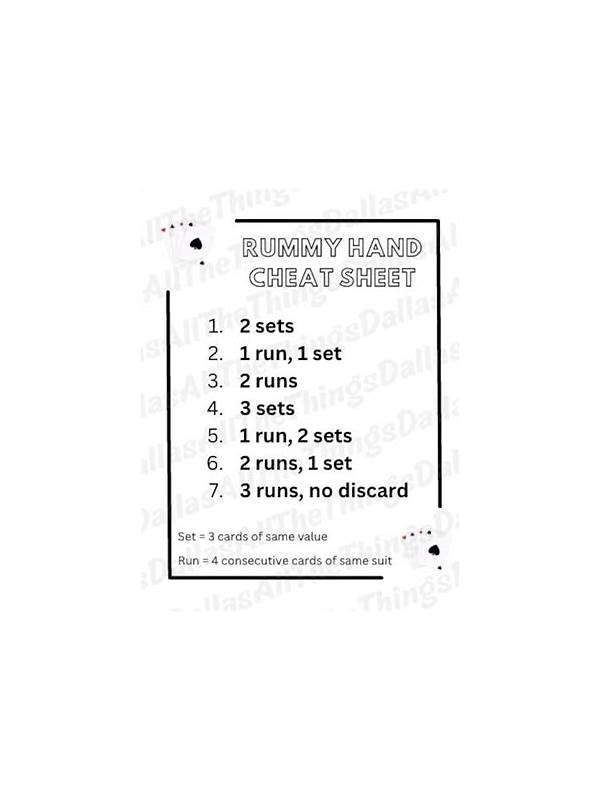
Rummy Hand Triage When Several Cards Need Help
Learn how to decide which unfinished part of a rummy hand deserves attention first. [...]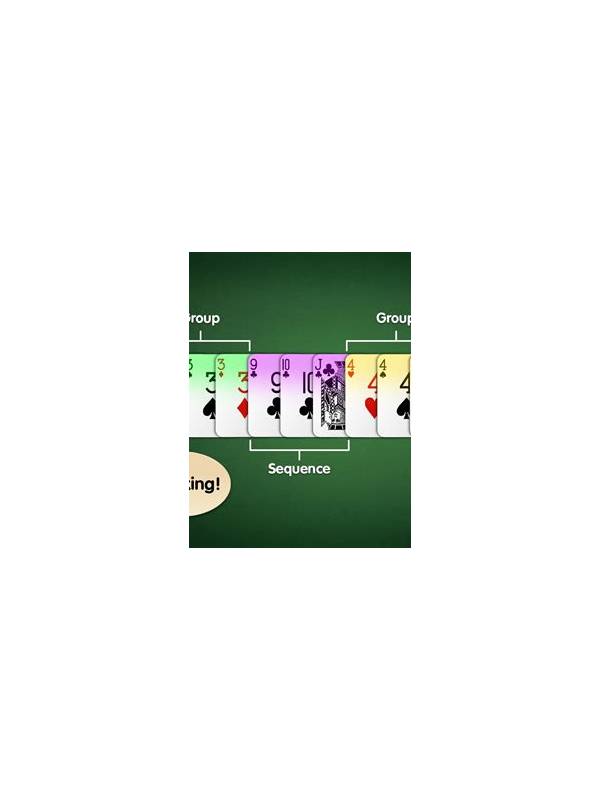
Rummy Guide: Rebuild Your Hand After a Forced Discard
A recovery process for the moment when an unwanted discard breaks your original rummy plan. [...]