Rummy FAQ: What Is the Difference Between a Joker and a Wish?
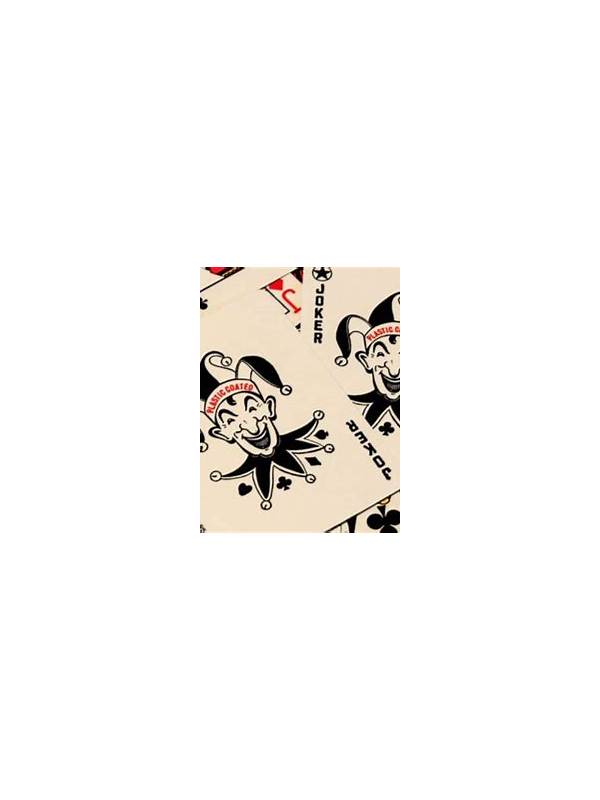
A joker has a defined role under the active rules. It may substitute for a natural card, complete a group, or carry a special scoring value. A wish is different: it is simply the card you would like to draw. It has no power until it arrives and fits a legal structure.
The distinction matters because a joker can support a route immediately, while a wished-for card creates uncertainty. When reviewing a hand, label each route according to what it currently has: confirmed natural cards, a permitted joker, or only an imagined future draw.
Do not assume every joker can be used in every group. Check whether a pure sequence or another required structure must contain natural cards. A joker that helps one group may be unavailable for another, and using it may affect the remaining shape of the hand.
Also avoid treating a wish as a joker just because it would solve several problems. A single missing connector may look powerful, but if it is narrow or unlikely to remain available, the plan needs a deadline and a fallback. Count the card once and describe the uncertainty honestly.
When comparing two routes, give a rule-defined joker credit for its legal flexibility, then separately count natural support. This keeps the analysis from inflating a route that depends entirely on an unseen card. In a review note, write “joker available under rule” or “connector hoped for,” not simply “helpful card.”
The practical lesson is simple: use jokers according to rules and treat wishes as hypotheses. A disciplined player can enjoy the flexibility of a joker without allowing a hoped-for draw to become a fact. This distinction makes planning clearer and helps reveal when a fallback is needed.
Take the same hand and write one route supported by the joker and another supported only by a wished-for natural card. Compare requirements, legal conditions, and the cost of a miss. Rules may define jokers differently, so never transfer an assumption between variants. Confirm the current table’s explanation before declaring, and pause if the wording is unclear.
This distinction is useful beyond one hand. In a review log, label each planned improvement as available, conditional, or hoped for. The labels make it harder for an attractive possibility to quietly become the foundation of the entire strategy.
Clear labels also make partner reviews less argumentative because both players can see which claims are facts and which are possibilities.
Related Post

Rummy Comparison: Handwritten Notes Versus Digital Session Logs
Paper and digital logs each support different kinds of review, so choose by the information [...]
Rummy Comparison: Reviewing Cards by Time Value
Time value helps rummy players compare a card's usefulness now with its likely usefulness after [...]