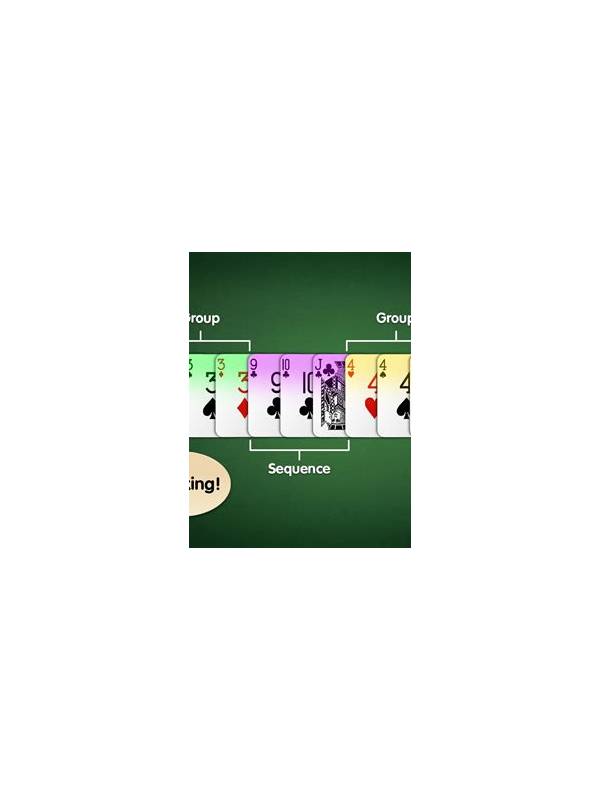
Rummy Comparison: Open Pile Choices Versus Private Draws
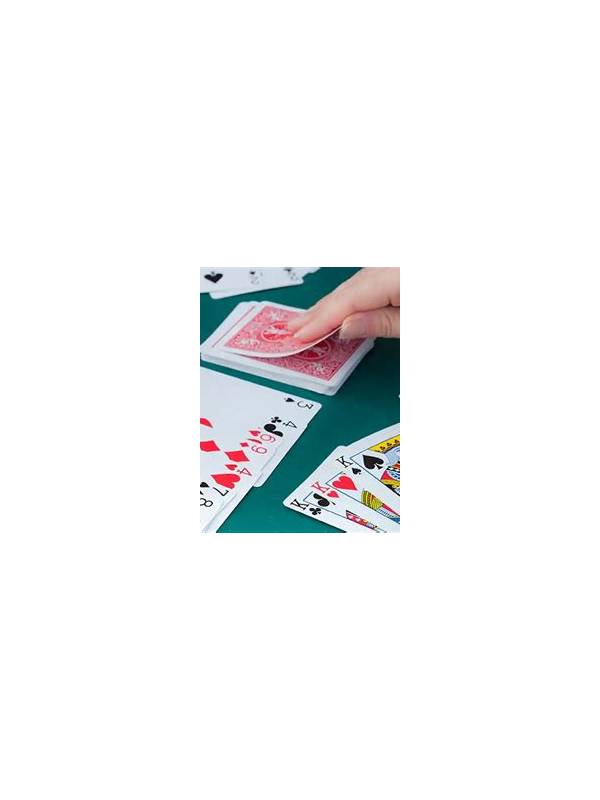
The open pile and the private draw offer different kinds of value. A visible card gives information about what someone else has released, while an unseen card preserves uncertainty about your own plan. Neither choice is automatically better. The useful decision depends on how much the card improves your hand and what the pickup reveals.
Choose the open card when it completes or strongly supports a sound structure. A card that creates a pure sequence or repairs a required group has a clear benefit. The benefit is weaker when the card merely makes a pair look attractive. Before picking it, decide which card you will discard and whether the new information exposes a plan you would rather keep private.
Choose a private draw when the visible card is only marginally useful or when taking it would tell opponents too much. Drawing unseen also protects flexibility: other players cannot immediately infer which rank or suit you are collecting. This does not make the private card more likely to help. It simply keeps your information cost lower.
Consider the timing of the round. Early in a hand, preserving options may be more valuable than committing to a visible route. Later, a strong open card can be worth the information cost if it reduces a genuine completion problem. The closer the table appears to be to a declaration, the more carefully you should weigh both improvement and exposure.
Do not treat every open-pile pickup as a message to the table. Sometimes the best move is simply the card that improves your structure most. Conversely, do not avoid the pile out of pride or fear of being read. A sound decision is still sound when visible. The aim is to manage information, not to perform secrecy.
After the choice, recheck your hand from the beginning. A pickup can create a new route that makes an old plan unnecessary. Remove the weakest commitment instead of trying to preserve every idea. This comparison is most useful when it leads to a complete plan: pickup, grouping, and discard should be considered as one decision.
An open card can also teach you something without being worth taking. It shows what was available and what another player was willing to release, while your refusal preserves your own uncertainty. Watch without automatically copying the choice. The best selection improves your legal route at an acceptable information cost.
If taking the card would force a poor discard, pass on it even when it looks useful. The complete exchange matters more than the pickup alone.
Related Post
Rummy Tips: Track Which Cards Have Lost Value
A practical review method helps you notice when a once-promising rummy card has become a [...]
Rummy Safety Checklist for Notifications and Distractions
Reduce mistakes and protect your session quality by managing notifications before an online rummy game. [...]