Rummy Practice: Audit Your First Discard

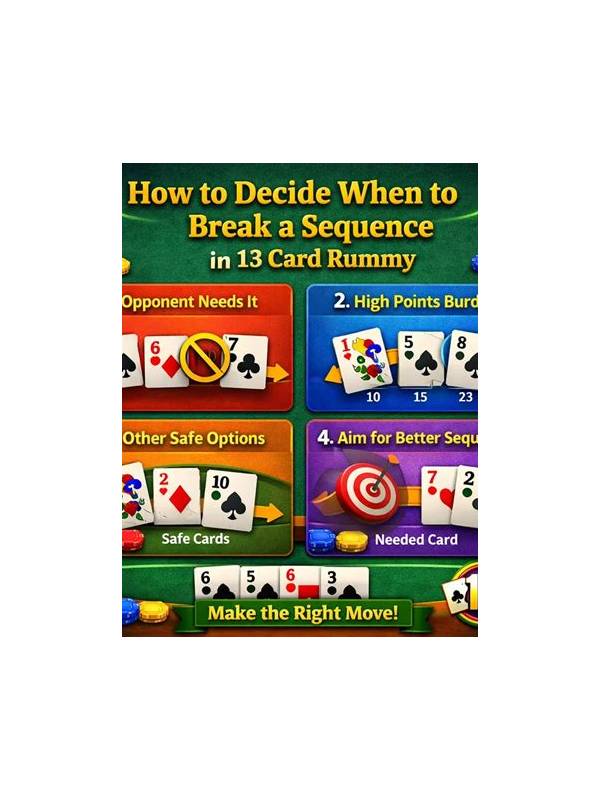
The first discard sets the shape of a rummy hand, but it should not be judged only by the result. A focused audit asks what you knew at the time, which card roles you compared, and whether the discard created a workable next turn.
Reconstruct the opening hand in groups. Mark any secure foundation, developing connection, duplicate rank, and genuinely loose card. Avoid using later draws in this first description. The opening snapshot should represent the information available before the hand began to change.
Now write the reason for the discard in one sentence. A strong sentence names the cost avoided and the structure protected, such as “I released the isolated high card to preserve the connected low sequence.” A weak sentence says only that the card “felt bad.” The purpose is to make the decision testable.
Check the rules next. Was the draw source chosen correctly? Did the discard leave the minimum required structure possible under the format? A strategic explanation cannot repair a rule error, so separate technical legality from preference.
List one alternative discard and compare the two resulting shapes. Count the groups each choice protects, the number of unresolved cards, the penalty exposure, and the likely next decisions. Do not ask which alternative would have received the perfect card later. Ask which choice was easier to manage with the information available.
Review how the first discard affected later attention. Did it make your hand clearer, or did it leave too many competing routes? Did you continue defending a card because the initial choice had made it central? The first discard can create a useful commitment, but it can also create attachment.
Finish with one practice target. You might test naming a card’s role before releasing it, comparing replacement shapes, or setting a deadline for a narrow opening route. Keep the target specific enough to observe in the next hand.
This audit is most useful when repeated across several hands. A single first discard can be unlucky. A pattern of vague reasons, ignored alternatives, or missed rule checks is stronger evidence of a process issue. Review the pattern, adjust one habit, and keep the next experiment small.
Do not use the final result as the only grading method. If the first discard protected a sound structure and the needed cards never arrived, the process may still have been reasonable. Conversely, a discard that happened to lead to a winning draw may deserve review if its reason was unclear. Auditing the explanation protects practice from becoming a search for lucky outcomes.
Related Post

Rummy Guide: Separate Visible Progress From Hidden Risk
A hand can look advanced while retaining serious risk, so inspect the unseen liabilities behind [...]
Rummy Screen Reading: Check Suit and Rank Separately
Separating suit and rank checks reduces common visual errors when grouping cards on a digital [...]