Rummy Practice: Estimate Flexibility With a Card-Route Map

Update the map whenever a visible card changes the available routes.
Clear notes make it easier to compare a flexible arrangement with one that merely looks busy.
Keep route maps descriptive rather than predictive. Do not write that a card “must” arrive because it completes your favorite plan. Write that it is one possible improvement, and note what you will do if it does not appear. This preserves flexibility and makes review more honest. The exercise is most useful when it improves your questions: which route is legal, which route has support, and which discard keeps the most doors open?
A card-route map is a paper exercise for measuring flexibility without pretending to know exact odds. Draw a small box for each candidate group in a sample hand. Under every box, list the cards that could improve it. A same-suit middle pair may have two neighboring routes, while an edge pair may have only one. For a set candidate, list the unseen ranks that could complete it under the format you are studying.
Count routes, then inspect their quality. Three possible cards are not automatically better than two if the three cards would all create awkward leftovers. Add a second note for each route: what happens to the cards you would no longer need? A plan is stronger when it improves a group and gives you a clear discard. A plan that adds one card but leaves several high-value singles may be less flexible than its route count suggests.
Practice with visible-card changes. Cross out one route when its card appears in the discard history, then redraw the comparison. This shows how quickly a narrow plan can weaken. Do not cross out cards that remain hidden; simply leave those possibilities in place. The exercise teaches appropriate uncertainty instead of the false confidence that comes from treating unseen cards as unavailable.
Add a legality check at the bottom of the map. Mark which arrangements could eventually satisfy the required pure sequence and group rules. A route with many attractive combinations is still poor if it cannot lead to a legal declaration. This step connects flexible thinking with the actual objective of the game.
Repeat the exercise for five sample hands and save only the key lesson from each. You may discover that connectors are overvalued, that high singles need earlier attention, or that you abandon narrow plans too slowly. The route map is not a live calculator. It is practice for seeing future choices, replacement difficulty, and discard consequences before committing to a card.
Related Post
Rummy Privacy Safety: Limit What Notifications Reveal
Small notification settings can reduce the chance that account activity and personal details appear on [...]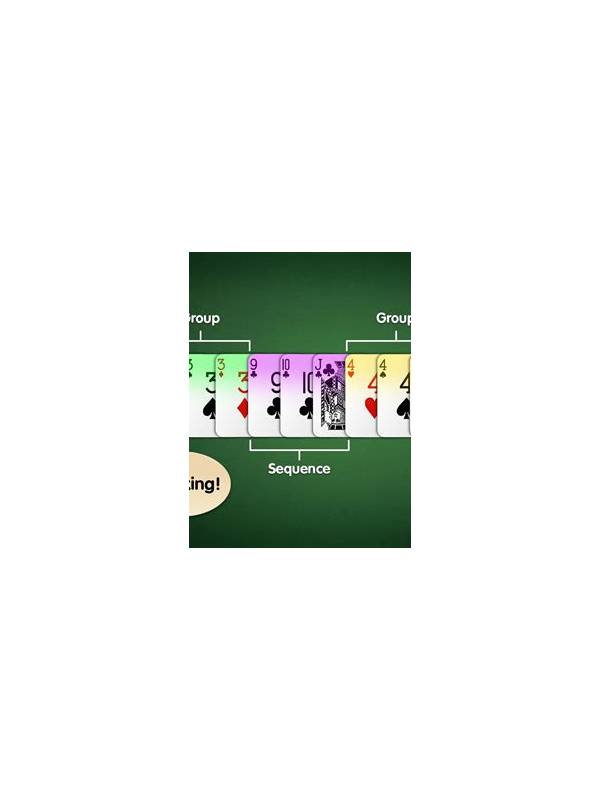
Rummy Hand Shape: Compare Runs, Sets, and Deadwood
Compare the strengths and risks of different hand shapes before committing to a rummy plan. [...]