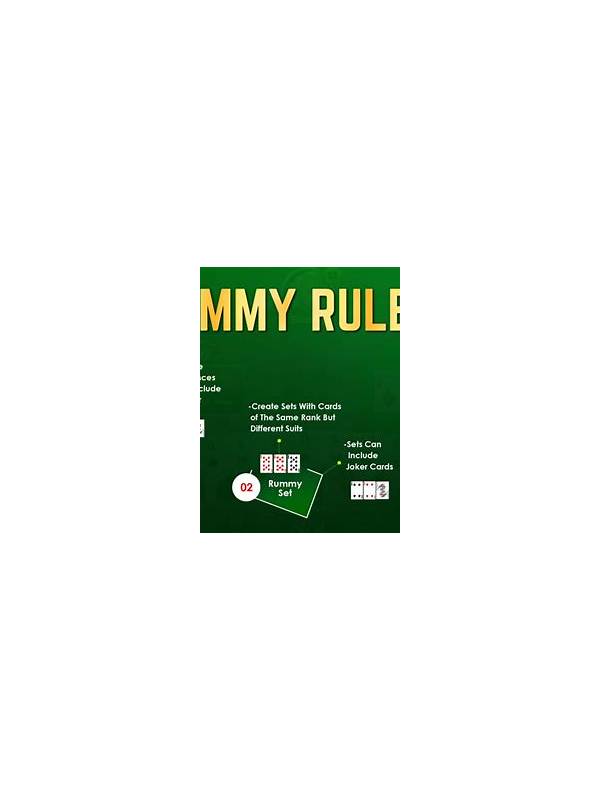
Rummy Practice: Rebuild the Same Hand Three Ways
A useful practice exercise is to take one sample rummy hand and build three different plans from it. The aim is not to discover a single perfect arrangement. It is to see how priorities change the route, the discard candidates, and the risks attached to each plan.
Begin by writing the cards in a neutral order. In the first version, prioritize the quickest visible completion. Make the strongest immediate groups and note which cards remain unresolved. Do not draw imaginary cards yet. This version shows what the hand can do with the evidence already available.
In the second version, prioritize flexibility. Keep cards that connect to several plausible routes, even if the groups look less tidy. Identify the cards that could switch jobs and the groups that depend on narrow draws. This plan may look less complete, but it can respond better when the next card is unexpected.
In the third version, prioritize risk reduction. Set aside high-exposure cards, duplicate commitments, and routes requiring several exact cards. Build the safest legal structure available. It may not be the fastest route, but it shows how point protection changes the hand.
Compare the three versions using the same questions. Which cards appear in every plan? Which cards change jobs? Which route has the fewest dependencies? Where would one bad draw cause the most damage? Mark the points where a decision would need to change rather than pretending that one plan remains fixed.
This exercise is especially useful with a standard deck and no money or live opponent. It can be repeated with a timer to practice concise evaluation. Keep the session short enough that the goal remains learning rather than volume. Afterward, record one observation, such as “the flexible plan kept too many pairs” or “the risk plan discarded a useful connector too early.”
Do not judge the exercise by whether the imagined future draw favors one version. The value is in recognizing hand shapes and dependencies. A player who can explain three reasonable routes is better prepared to adapt than a player who memorizes one preferred arrangement for every hand. The exercise can be made more challenging by asking a friend to choose the next card from a small set without revealing the rest of the deck. After each reveal, explain which of the three plans gained or lost value and why. Keep the focus on reasoning, not on pretending that the sample represents exact odds. The lesson is that a hand contains competing possibilities, and a good player can move between them without treating the first arrangement as a promise. Do not use the exercise to forecast exact outcomes. Use it to notice which cards are doing several jobs, which routes share dependencies, and which priorities make a particular discard sensible.
Related Post
How to Read Rummy Table Rules Before Joining
Reading the full table description prevents avoidable mistakes about entry, scoring, declarations, and exits. [...]
Rummy Table Review: Three Metrics Beyond Wins
Evaluate your rummy progress with three useful measures that reveal more than the final result. [...]