Rummy Safety: Check Session Conditions Before Rejoining
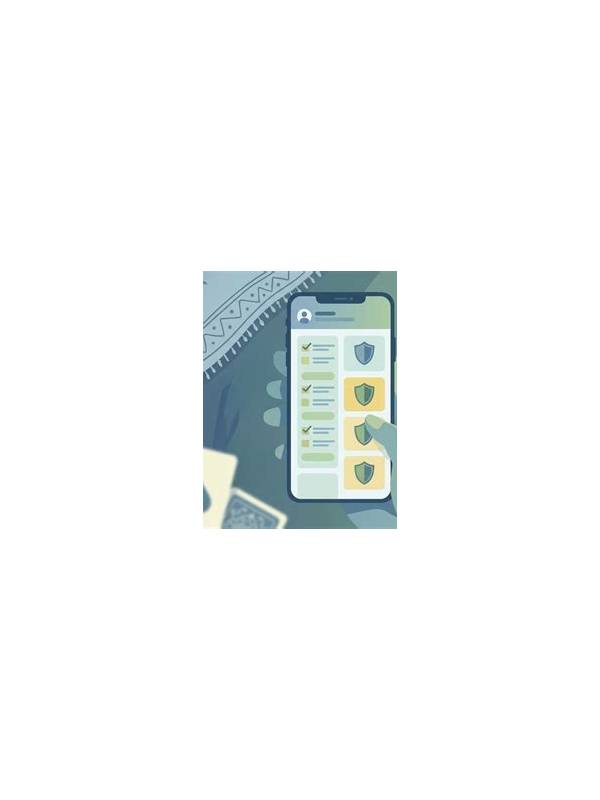
Rejoining a rummy session after an interruption can create avoidable confusion. The table may have changed, a hand may have ended, or an action may already be recorded. Take a short condition check before continuing.
First confirm that you are returning to the intended table and format. Read the entry amount, scoring method, player count, and any timer information. Do not assume that a reconnect button always restores the previous context. If the app opens a new table, leave it until you have confirmed the conditions.
Next check the account view. Make sure the displayed balance and any pending transaction status look consistent with your own records. Never follow a private message that asks for a password, one-time code, or payment details to restore access. Use the platform’s official account and support screens.
Then inspect the hand state. Is it your turn? Are your cards and the discard pile visible? Has the timer changed? If anything is unclear, pause and use the official reconnect or support route. A screenshot may be useful for your private record, but avoid sharing it publicly if it exposes account information or other players’ details.
Finally check the practical conditions around you. A weak signal, low battery, noisy room, or urgent interruption can make a return less reliable. If the original problem is still present, ending the session may be safer than trying to recover under pressure.
The purpose of the check is not to delay unnecessarily. It is to ensure that the next action is based on the actual table state. A calm return protects decisions, money, and personal information.
If you decide to continue, make the first turn a confirmation turn. Read the visible state once, check the action available to you, and act only after the display is stable. If you cannot establish those facts, stop and document the problem privately. A small interruption is easier to explain than an action taken in an unknown table state. Rejoin only when you can identify the table and the action available to you. If that cannot be done, an orderly exit is a valid safety decision rather than a failure to continue. It also gives you permission to stop when the table cannot be verified, which is often the safest available response.
Related Post
Rummy FAQ: Why Can a Pair Be More Expensive Than a Singleton?
A pair may carry hidden opportunity cost when it blocks a stronger route or consumes [...]
Rummy Safety Guide: Make Payment Checks Before Adding Funds
A short payment checklist helps players understand costs, limits, and account controls before adding money. [...]