Rummy Safety: Set a Deposit Pause Before Adding Funds
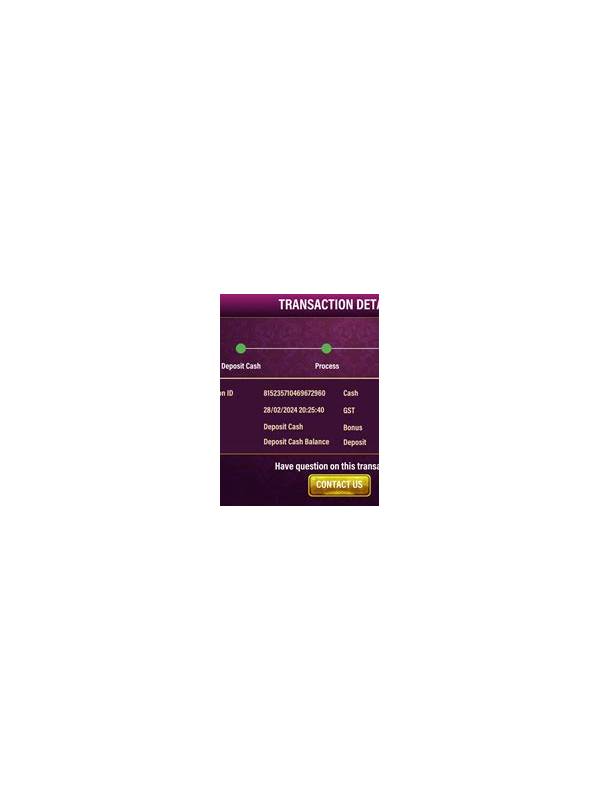
A deposit decision is easier to evaluate before a game becomes emotional. Setting a short pause between the desire to continue and the action of adding funds can protect your budget and improve your judgment. The pause is not a prediction about results; it is a boundary around a financial choice.
Choose the pause length in advance. It might be ten minutes for a small recreational decision or a full day when the amount is significant. During that time, close the game and look at your spending limit, current balance, and any applicable terms. Do not make the decision while a loss, bonus message, or countdown is pushing you to act quickly.
Write down the maximum amount you intended to spend for the entire session or week. Treat that number as a limit, not a target. If you have reached it, stop. Do not borrow money, use essential household funds, or increase the limit to recover a previous result. A deposit cannot guarantee a better outcome.
Read conditions attached to promotions before counting them as available value. Check eligibility, expiry, play-through requirements, withdrawal rules, and restrictions. If the wording is unclear, seek an official explanation or skip the promotion. Never provide passwords or one-time verification codes to people who claim they can unlock a bonus.
Use account controls where available, such as deposit limits, cooling-off periods, or self-exclusion tools. These controls work best when activated before a difficult moment. If playing has begun to affect sleep, work, relationships, or essential spending, take a longer break and seek support from a trusted person or local service.
Keep payment security separate from game decisions. Use a protected device, review transaction confirmations, and contact your bank promptly about unfamiliar charges. Avoid saving payment details on devices used by other people.
The deposit pause is a small process with a clear purpose: slow down a financial action long enough to evaluate it. Check the limit, inspect the terms, and decide only when calm. If the choice does not fit your planned budget, the safest answer is to wait or stop.
Tell a trusted person about the limit if you find it difficult to keep alone. External accountability can make a pre-set boundary more real, especially when repeated play or frequent promotions makes every decision feel urgent. A pause is successful when it gives you room to choose freely.
If you cannot take the pause, treat that as useful information and stop the session. Difficulty waiting is a reason to strengthen the boundary, not to remove it.
Related Post

Rummy First-Turn Choices: Building a Plan From Imperfect Cards
A first-turn checklist helps you build a realistic rummy plan before chasing attractive but distant [...]
Rummy Safety: Verify Rules Before Playing a New Format
Confirming format rules, scoring, and settlement details prevents avoidable mistakes in unfamiliar rummy games. [...]