Rummy Safety: Keep Game Advice Separate From Personal Data
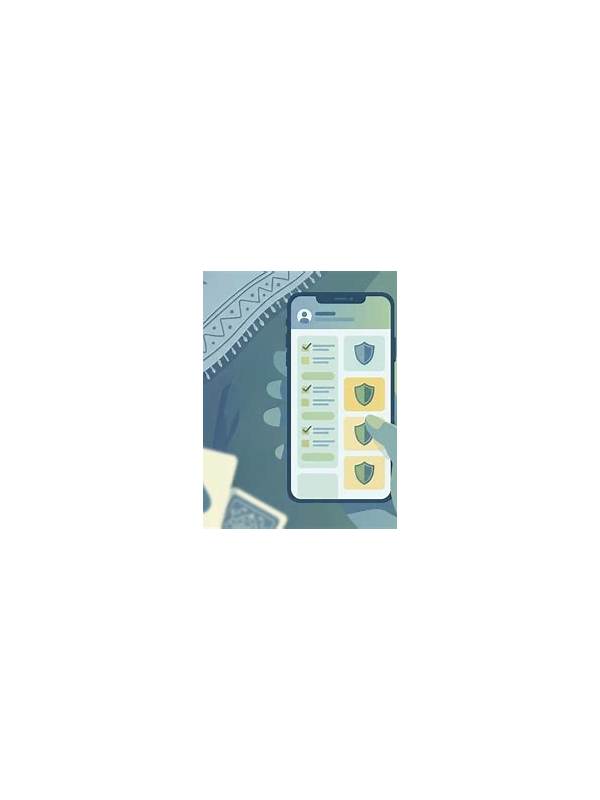
A hand review should teach a decision, not reveal a person. When asking for rummy advice or sharing a practice example, remove account names, phone numbers, payment references, verification messages, and device details. A screenshot can contain more information than the card layout suggests.
Before sharing an image, crop the status bar, notifications, chat panel, profile area, and transaction history. Check the remaining corners for usernames, email addresses, table identifiers, or QR codes. Blur is not always reliable, so cropping or replacing the area with a blank block is safer. Never include passwords, one-time codes, or recovery information.
Text examples are often better. Describe the variant, the cards, the rules that matter, and the decision you are comparing. Use invented player names and avoid real stakes or balances. If a support team needs account details, use its verified private channel and provide only the information requested.
Separate learning notes from financial records. A practice notebook can contain hand shapes and reasons for discards, but it should not store payment credentials or identity documents. Keep sensitive records in the protected system intended for them, with device locking and appropriate access controls.
Be careful with advice received in return. A stranger who requests a login, remote access, or a verification code is not helping you review a hand. Stop the conversation and contact the platform through an official route if an account may be exposed. Responsible play includes protecting the context around the game.
Make privacy part of your review routine: remove personal data, check the recipient, and confirm that the example cannot be linked to a live account. You can get precise strategic feedback while keeping the player behind the cards safe.
Related Post
Rummy Guide: Count Outs Without Overconfidence
A practical way to estimate useful cards while remembering that every estimate has limits. [...]
Rummy Comparison: Chasing One Card Versus Preserving Options
A narrow one-card chase can be worthwhile, but preserving options is often safer when the [...]