Rummy Safety: Keep Personal Devices Ready for a Clear Session
Online rummy sessions depend on a device that is private, updated, and reliable enough to display the table clearly. Device preparation is not a strategy for winning; it is a safety habit that reduces avoidable mistakes. A few minutes before playing can prevent rushed decisions and accidental exposure of account information.
Start with privacy. Lock the screen when the device is unattended, remove unnecessary screen-sharing tools, and avoid playing where other people can read notifications or view payment information. If the device is shared, use the platform’s proper sign-out controls and check that another profile cannot open your account automatically.
Check basic reliability next. Confirm that the battery is adequate, the connection is stable, and the screen is readable at a comfortable brightness. Close applications that create distracting alerts or consume resources. If the platform provides a practice mode, use it to confirm that cards, timers, and buttons are visible before joining a serious table.
Review software carefully. Install updates through the device’s normal settings or the platform’s verified channel. Do not install a modified application because a message promises faster access, special rewards, or a workaround. Treat unexpected permission requests as a reason to pause and investigate. Never share passwords, one-time codes, or payment details with a person claiming to provide support.
Finally, create a stop condition. If the screen becomes unreadable, the connection repeatedly fails, or you cannot play privately, leave the session safely and return later. Safety includes protecting attention and account access, not merely preventing technical errors. A prepared device supports calm decisions and makes the session easier to end when conditions are not right. It is also useful to know how to recover from a problem. If the application behaves unexpectedly, stop interacting with payment or account screens and use the platform’s ordinary help route from a verified location. Note the time and visible error without recording private credentials. If a device is lost, use the account provider’s established recovery and sign-out options from another trusted device. These habits reduce the chance that urgency will lead to an unsafe download, a rushed transfer, or a message to an impersonator. For reliable practice, make the check before looking at the next card. State your choice in one sentence and note the alternative you rejected. This creates a small record of reasoning rather than a result-only judgment. The habit is valuable in both favorable and unfavorable rounds because it shows whether the process stayed consistent when the hand changed.
Related Post
Rummy How-To: Use a Two-Column Hand Map
A simple two-column map helps players distinguish committed combinations from cards that still need evidence. [...]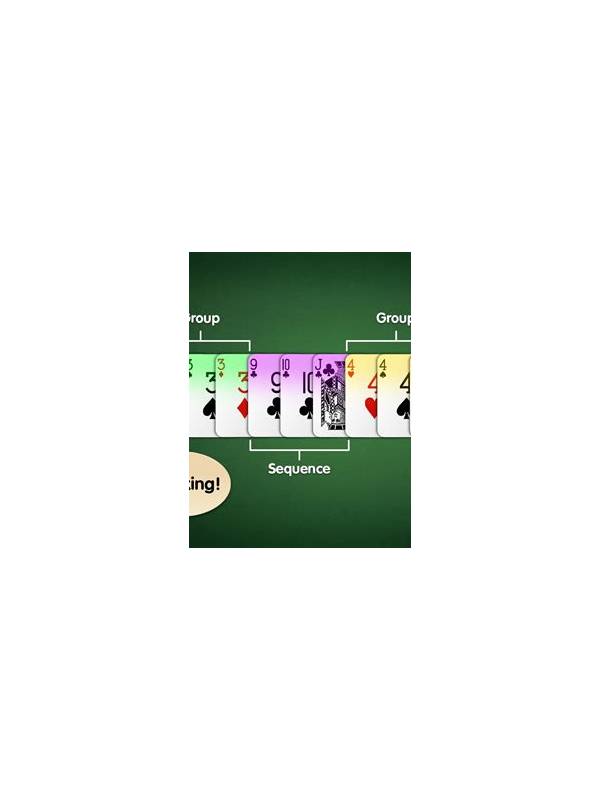
Rummy Hand Sorting When Several Groups Overlap
A structured way to sort overlapping possibilities helps you avoid building too many plans at [...]