Rummy Safety: Keep Play Records Free of Sensitive Data
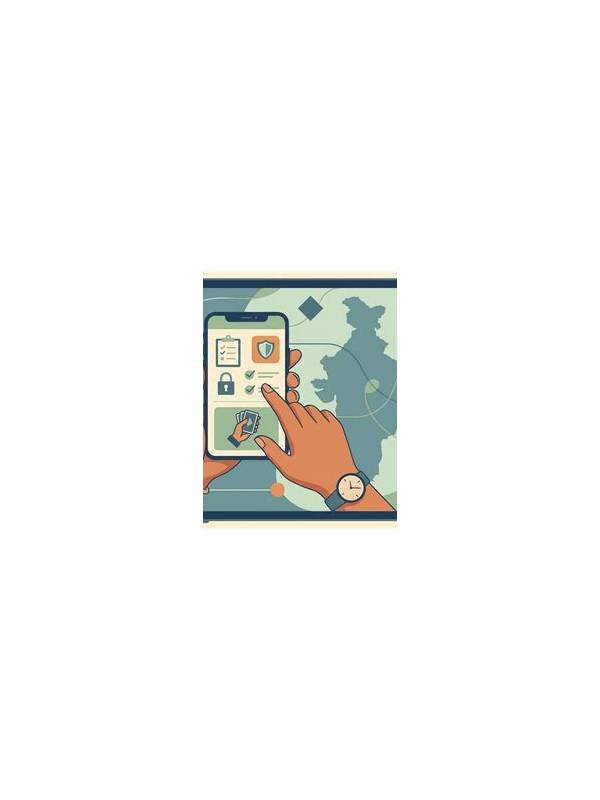
Notes about hands can improve your decisions, but a practice journal should not become a security risk. Keep play records focused on cards, choices, and lessons. Remove account identifiers and financial details that do not help you learn.
Record the useful part
Write the date, variant, hand shape, decision, and review point. Use shorthand for suits or anonymous labels for opponents. A note such as “held a narrow pair for three turns; missed the release condition” teaches more than a screenshot containing your username, balance, or chat history.
Avoid copying full payment receipts, verification documents, support conversations, or login screens into a hand journal. Those materials belong in the secure system intended for them, if they must be retained at all.
Choose a protected location
Use a private notebook or a reputable note system with a screen lock and appropriate access controls. If a device is shared, log out and avoid leaving notes visible in notifications or recent-app previews. Do not publish hand histories that reveal another player’s personal information without permission.
When sharing a practice example, remove names, account numbers, exact timestamps, and any links that could expose a private session. Recreate the hand with neutral labels when possible. The educational value usually survives anonymization.
Review and clean up
Every few weeks, scan old records. Delete duplicates and sensitive material that slipped in accidentally. Keep only what supports a current learning goal. If an account or device is compromised, do not use the journal as a place to store recovery secrets; follow the provider’s official security process.
Good records improve reflection while minimizing exposure. Separate learning data from account data, protect the location of your notes, and share only the hand information needed for the lesson. A useful journal should make play clearer, not make your private life easier to access.
Before sharing a lesson publicly, read it once as if you were a stranger trying to identify the account or player. Remove unusual usernames, screenshots with browser tabs, location clues, and copied messages. Keep the strategic point and discard identifying details. This preserves educational value while reducing accidental disclosure.
If a record includes information you cannot safely anonymize, do not share it. You can describe the decision with invented cards or a generalized example. Learning material does not need to preserve every original detail, and privacy is more important than making a lesson look perfectly authentic.
Related Post
Rummy How-To: Plan Around an Opponent’s Pickup
An opponent’s visible pickup is useful information when it changes how you value related cards [...]
Rummy Set Completion: Compare Rank Groups Without Chasing Them
A focused method shows when a same-rank group is worth keeping and when it is [...]