Rummy Tips: Label Cards by Job, Not Just by Suit
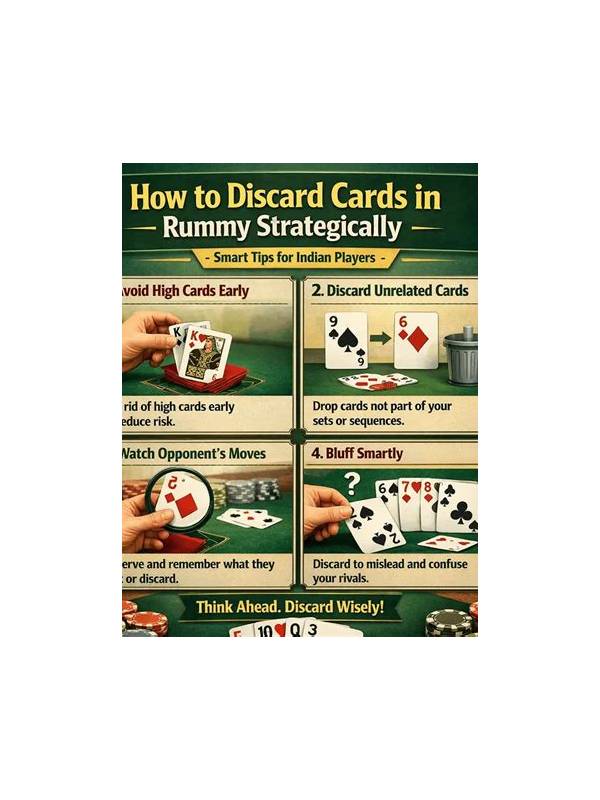
Sorting a hand only by suit can make a promising arrangement look obvious even when it is not. A better practice is to label cards by job. A card may be an active sequence member, a set candidate, a flexible connector, or an unresolved loose card. These labels help you notice when a group is no longer earning its space.
Begin with the cards that already form a legal or nearly legal structure. Mark a completed sequence or set as protected, while remembering to check whether the format requires a special sequence such as a pure run. Then mark groups that need one card. A pair of the same rank is a set candidate; two suited neighbors are a sequence candidate. Keep these categories separate so that a card is not counted as belonging fully to two groups at once.
Use “connector” for a card that can link multiple arrangements. A middle suited card may extend a run on either side, while a rank card may join a set or support a sequence. Connector does not mean valuable forever. If the required neighbors disappear or another group becomes stronger, its label should change.
The final category is “loose.” Loose cards have no current arrangement or depend on a narrow draw. High loose cards often deserve attention because their point cost can be significant, but low loose cards should not be ignored if they occupy a slot that could support a better plan. The label describes the card’s job, not its emotional appeal.
After each meaningful draw, relabel only what changed. If a drawn card completes a set, move the related cards into a protected group and reassess the card that was displaced. If a needed connector is discarded, downgrade the dependent cards instead of continuing to treat the old plan as active.
This method is particularly helpful on a small screen, where cards can be rearranged quickly but the reason for each arrangement can be forgotten. In practice, a short mental note such as “two protected, one live pair, three loose” may be enough.
Job labels are not a substitute for legal knowledge or probability. They are a clear language for the hand’s current structure. When every card has a reason to stay, and every loose card has a review point, discards become easier and declarations safer.
Use neutral labels during review. “Loose” describes a position; it does not describe your ability. Neutral language makes it easier to release a card when evidence changes and reduces the temptation to protect a favorite pattern simply because you invested time in it.
Related Post
Rummy FAQ: Is a Lower Point Total Always the Best Progress?
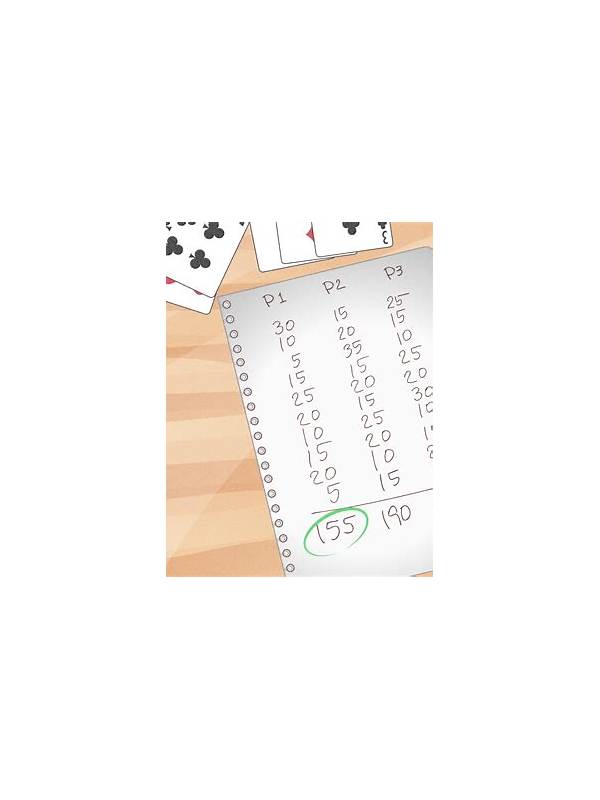
Reducing points is valuable, but it should be weighed alongside required groups and the ability [...]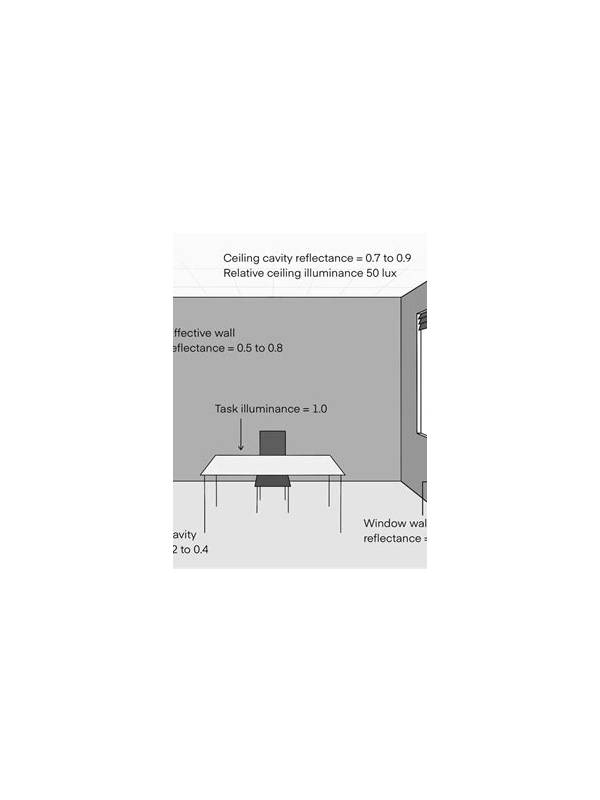
Rummy Table Lighting and Screen Comfort Guide
A practical guide to arranging light and screen settings for a more comfortable rummy session. [...]