Rummy Safety: Protect Your Focus During a Long Session
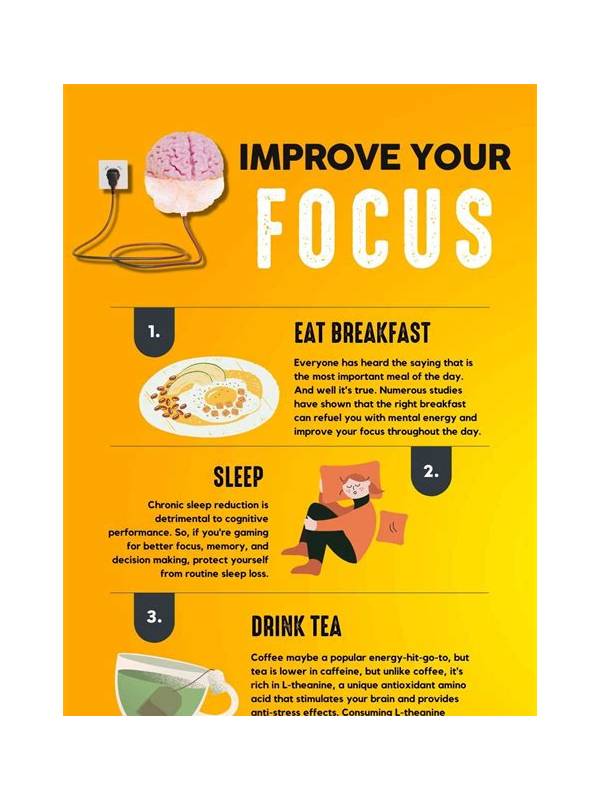
Long sessions can reduce attention even when you still feel interested. Fatigue affects memory, patience, and timing, so protecting focus is part of responsible play and sound decision-making.
Set break points in advance
Choose a break after a fixed number of rounds or a defined amount of time. Stand up, drink water, and look away from the screen. A break is useful before concentration collapses, not only after a mistake. If you cannot pause because you feel compelled to continue, stop the session instead.
Reduce avoidable distractions
Silence nonessential notifications, use a stable connection, and keep the playing surface clear. Avoid combining play with driving, work that needs attention, or conversations that make you rush. A calm environment gives your decision process a fair chance.
Notice cognitive warning signs
Repeatedly forgetting the discard pile, misreading a group, clicking without checking, or feeling unusually impatient are signs to pause. So are physical signals such as eye strain, tension, and drowsiness. Continuing through these signs is unlikely to improve results.
Keep the session purpose visible
Decide whether the session is for learning, casual entertainment, or a specific practice goal. When the purpose disappears and the only goal becomes extending the session or recovering a loss, leave. A written stop condition makes this easier to recognise.
Focus is limited. Protecting it with breaks and a suitable environment supports both safer participation and clearer play. Ending early is a valid result when the planned session no longer feels comfortable.
Basic physical care matters too. Adjust brightness, sit comfortably, and stop if pain or significant eye strain develops. Do not use caffeine, alcohol, or other substances as a way to force concentration or extend a session. If paid play is involved, fatigue and impaired judgment are reasons to stop immediately. Tell a trusted person about your limits if maintaining them alone is difficult. A session should fit around health, sleep, and responsibilities; those priorities do not become less important because a round is unfinished.
Make the stop routine ordinary: save any useful note, leave the table, and return to the activity you planned before playing. A consistent exit is easier to follow than a dramatic decision made after exhaustion.
Protecting attention is part of protecting the session budget.
Make breaks part of the plan before attention begins to fade.
Healthy limits should be easy to follow.
If you notice that a break is repeatedly postponed, treat that pattern as information. Shorten the next session, switch to a practice mode, or stop entirely. The purpose of planning is to make the safe choice available before fatigue makes decisions harder.
Related Post
Rummy Plan Labels: Name Ideas So They Do Not Compete
Short labels make competing rummy hand plans visible and easier to compare. [...]
Rummy Comparison: Memorized Rules Versus Observed Evidence
Memorized rummy rules provide a starting point, while observed evidence determines how strongly a plan [...]