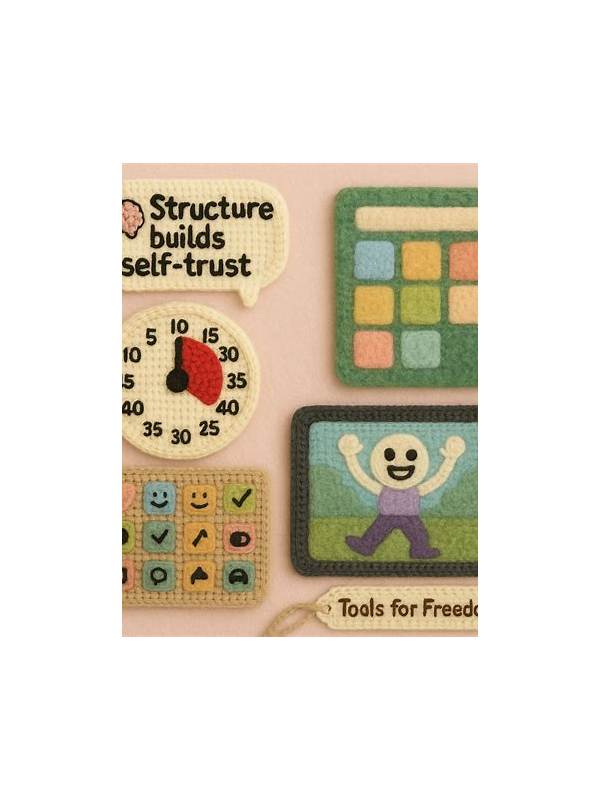
Rummy Safety: Take Breaks Before Attention Drops
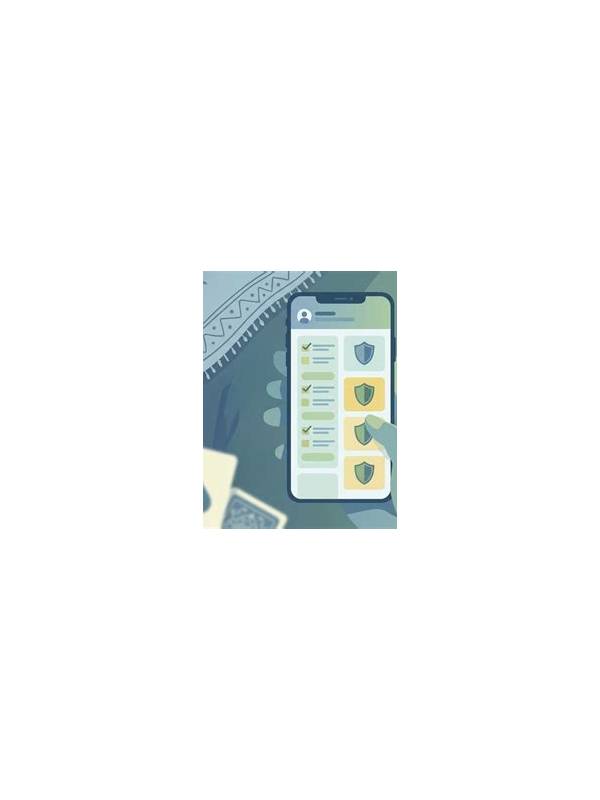
Attention usually fades gradually. A player may reread a discard, miss a rule prompt, or keep clicking automatically before recognizing that fatigue has changed the quality of decisions. Planned breaks make it easier to stop before a small lapse becomes a costly or stressful mistake.
Set a break trigger before the session starts. It could be a fixed number of rounds, a time limit, a completed match, or the first sign of repeated errors. A trigger based on behavior is useful because it responds to your condition rather than to the excitement of the table. Write it down if you tend to negotiate with yourself after play begins.
During a break, step away from the screen. Stretch, drink water, adjust your posture, and let your eyes focus on something farther away. Avoid using the break to study the same hand or chase a result in another window. The purpose is to restore attention, not to extend the session under a different label.
When you return, perform a restart check. Confirm the table variant, current hand state, and any personal spending or time boundary. If you still feel hurried, irritated, or unable to explain the next action, take a longer break or end the session. Continuing while attention is unreliable is not a test of discipline; it is a signal to stop.
Breaks are especially important for online play because the interface can make repeated rounds feel effortless. A calm schedule keeps entertainment separate from compulsion and protects the ability to make deliberate choices. Good session safety includes knowing when to pause, not only knowing how to play.
Related Post
Rummy FAQ: What Does a Stalled Hand Tell You?
A stalled hand is useful feedback when you examine which assumptions prevented structure from improving. [...]
Rummy How-To: Create a Fallback Discard Order
A fallback discard order helps you act calmly when the preferred discard is no longer [...]