Rummy Safety: Recognize Pressure Before It Changes Choices
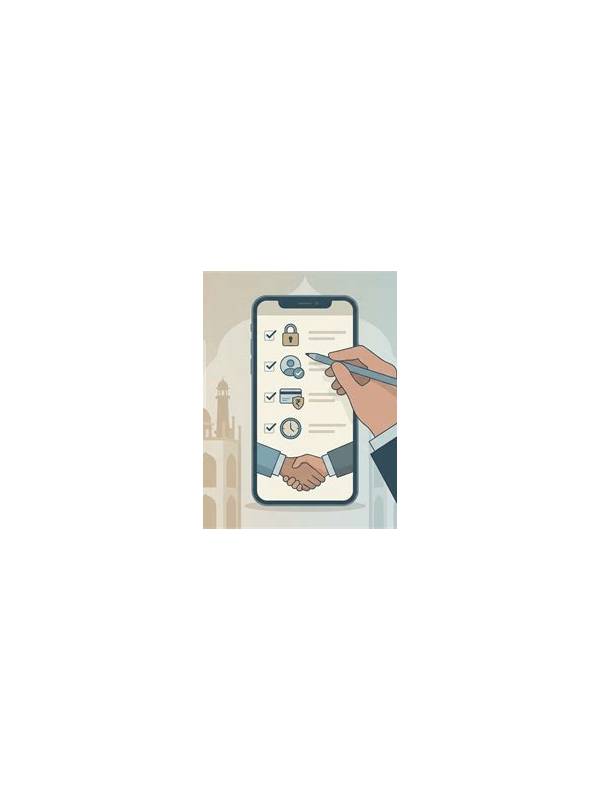
Pressure can change both play and spending decisions before you notice it. A timer, a losing streak, a noisy room, or a desire to recover a result may make ordinary choices feel urgent. Recognizing these signals is a safety skill, not a criticism of your ability.
Watch for changes in your routine. You may start skipping the declaration check, selecting the first discard without comparing alternatives, or reopening a table after deciding to stop. Physical signals such as clenched shoulders, rapid tapping, and difficulty concentrating are also useful warnings. Treat them as reasons to pause rather than challenges to overcome.
Separate game pressure from account pressure. A difficult hand does not require a larger entry, and a missed bonus does not create an obligation to continue. Set time and spending boundaries before a session, then make those boundaries independent of the result. If the app’s controls are unclear, stop and seek information through its official help channel.
When a warning appears, use a short reset. Put the device down, breathe slowly, drink water, and review the original stop condition. Do not make a new financial or session decision while angry, tired, or distracted. If the feeling persists, end the session and return only when the activity feels optional.
Keep the environment safe as well. Avoid playing while driving, working with equipment, or supervising someone who needs your attention. Do not share account access to solve a momentary problem. If another person pressures you to continue or disclose private information, leave the table and protect the account first.
Afterward, record the trigger without judgment: “continued after timer,” “played while interrupted,” or “chased a loss.” Choose one preventive change for next time, such as a shorter block or a notification pause. If play repeatedly feels difficult to control, talk with someone you trust or seek local professional support.
Good rummy practice depends on clear attention and voluntary limits. Stopping when pressure rises protects both qualities and keeps the activity in its proper place.
Tell yourself the stop rule in advance and write it where you can see it. A visible reminder is especially helpful when the next hand is presented as a quick chance to change the result.
The boundary is part of the plan.
Related Post

Rummy Guide: Create a Neutral Opening Inventory
A neutral inventory helps you understand a new rummy hand before you commit to a [...]
Rummy Tips: Use a Two-Column Discard Test
A two-column discard test balances what a rummy card contributes against what it costs to [...]