Rummy Safety: Set a Clear Boundary for Practice Spending
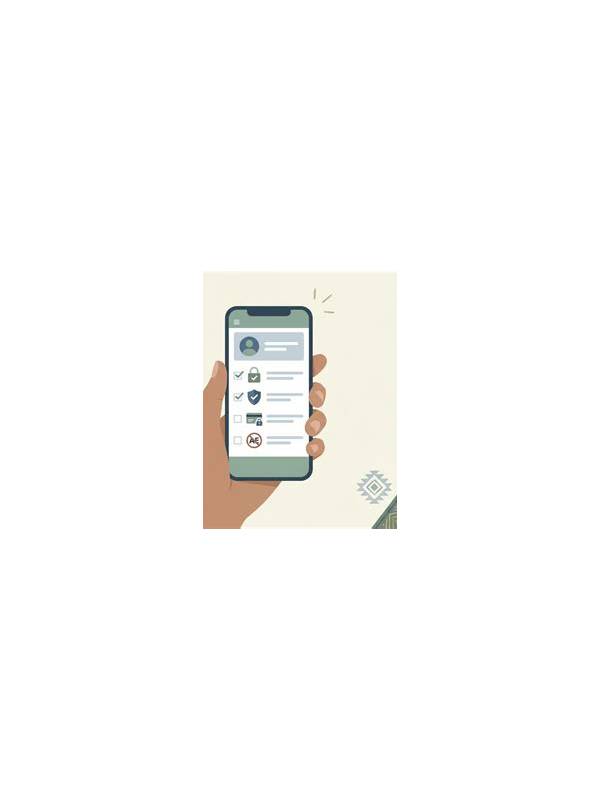
Any activity involving paid entries or purchases deserves a clear financial boundary before a session begins. The boundary should be affordable, specific, and independent of the result of the previous hand. It is a safety tool, not a prediction about performance.
Start with money that is genuinely disposable. Do not use funds needed for housing, food, bills, debt payments, savings goals, or obligations to another person. If losing the amount would create stress, the amount is too high for entertainment. A free practice mode may be a better fit while learning the rules.
Write the limit in a form that cannot be reinterpreted easily. It might be a total amount for a day or a fixed number of paid entries. Include a stop time if sessions tend to expand. Do not treat winnings, bonuses, or recovered losses as permission to raise the boundary during the same period.
Separate the boundary from emotion. After a frustrating hand, the urge to continue can feel like a plan to recover rather than a new decision. Pause, leave the app, and review later. Never borrow money, sell necessities, or hide spending to continue. These are signals to stop and seek appropriate support.
Check the service terms before making a payment. Understand entry costs, withdrawal conditions, fees, regional restrictions, and any available limits. Use official payment paths and protect account credentials. Do not share passwords, one-time codes, or identity documents through informal messages.
If keeping the boundary is difficult, make access harder: remove saved payment details, enable available deposit or time limits, or take a break from the service. Support from a trusted person or a local responsible-gaming resource can also help. A safe session ends when the boundary says it ends, regardless of the last result.
Keep a record of the boundary itself, not just the amount used. Note whether you set it before opening the app and whether any prompt tried to change it. This can reveal environmental pressure that is easy to overlook. If reminders, offers, or time-limited messages repeatedly make stopping difficult, disable marketing notifications where possible and take a longer break while you reassess the service.
Boundaries work best when they are visible before a decision is requested. Place the limit in a private note, and do not rely on a promotion or a countdown to define it for you. If a service offers formal controls, read how long changes take to apply and whether they can be reversed immediately. Choose the setting that supports a genuine pause.
Related Post
Rummy FAQ: Can Two Cards Have the Same Strategic Role?
Two cards can share a role while differing in timing, risk, and the number of [...]
Rummy Screen Reading: Check Suit and Rank Separately
Separating suit and rank checks reduces common visual errors when grouping cards on a digital [...]