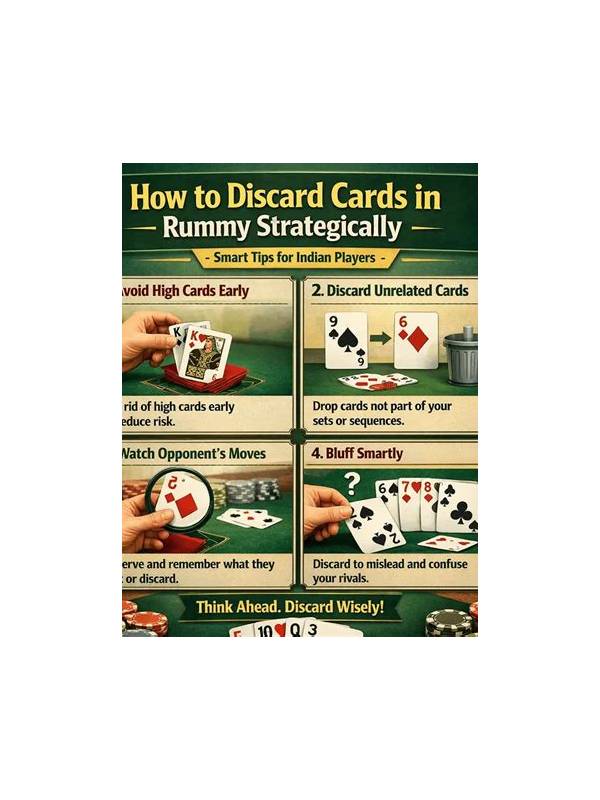
Rummy Safety: Set a Clear Spending Boundary
If a rummy format involves money, a spending boundary should be decided before play begins. The boundary is not a prediction about winning. It is a personal limit that protects ordinary expenses and prevents a disappointing result from becoming a reason to chase.
Start with money that is genuinely discretionary. Rent, food, transport, debt payments, savings commitments, and emergency funds do not belong in a play budget. If removing the amount would affect a necessary plan, the amount is too large. A small limit that feels easy to leave unused is more practical than an ambitious limit that creates pressure.
Write down three separate figures: a session limit, a time limit, and a stop condition. The session limit controls total exposure. The time limit prevents tired decisions. The stop condition can be a loss threshold, a feeling of urgency, or difficulty accepting a normal result. These boundaries work together; one should not be used to negotiate away another.
Keep deposits and withdrawals easy to understand. Review fees, minimums, and any conditions before transferring funds. Never share a password or one-time code to resolve a payment problem, and verify support through the service’s official channel. A request for secrecy or immediate payment is a warning sign, not a routine step.
Do not increase the boundary after a loss. A new limit made under disappointment is usually a reaction, not a plan. Close the session, record what happened, and revisit the budget later when the decision feels emotionally neutral. If play is interfering with sleep, work, relationships, or essential spending, take a longer break and seek support from someone trusted.
A boundary does not make an uncertain activity predictable. It simply gives the player a clear answer before pressure arrives. Treat it as a safety setting: set it calmly, follow it consistently, and regard stopping as successful control rather than a missed opportunity. A practical boundary can also include a rule about access to funds. Keep play money separate from bill money, and do not borrow or use credit to continue. If the boundary is difficult to follow, that difficulty is useful information: pause the activity and discuss the concern with someone you trust. Safety comes before finding another round. A boundary is strongest when it is decided before emotions become involved.
Related Post
Rummy Comparison: Focused Drills Versus Full-Round Repetition
Short sessions and long practice blocks develop different skills, so the better choice depends on [...]
Rummy FAQ: What Makes a Draw Resilient?
A resilient rummy draw remains useful across several ordinary outcomes instead of relying on one [...]