Rummy Tips for Reviewing a Hand From the Opponent View
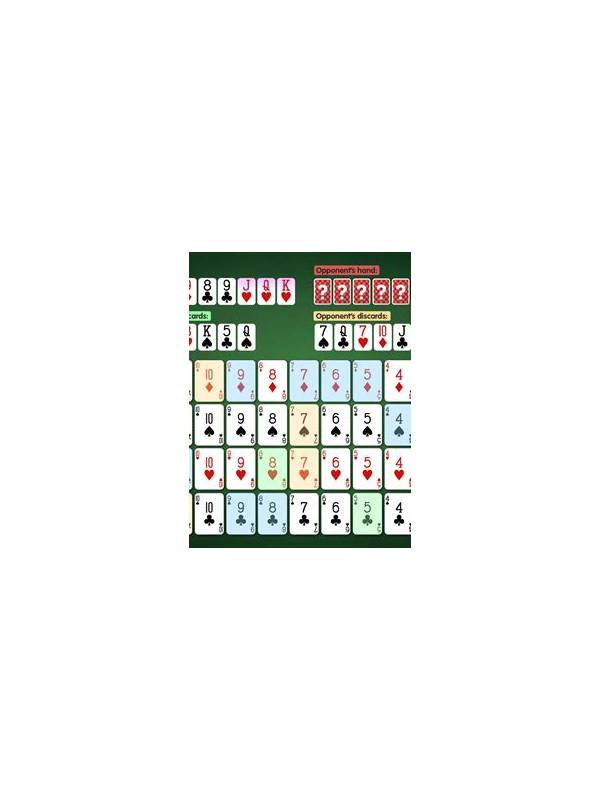
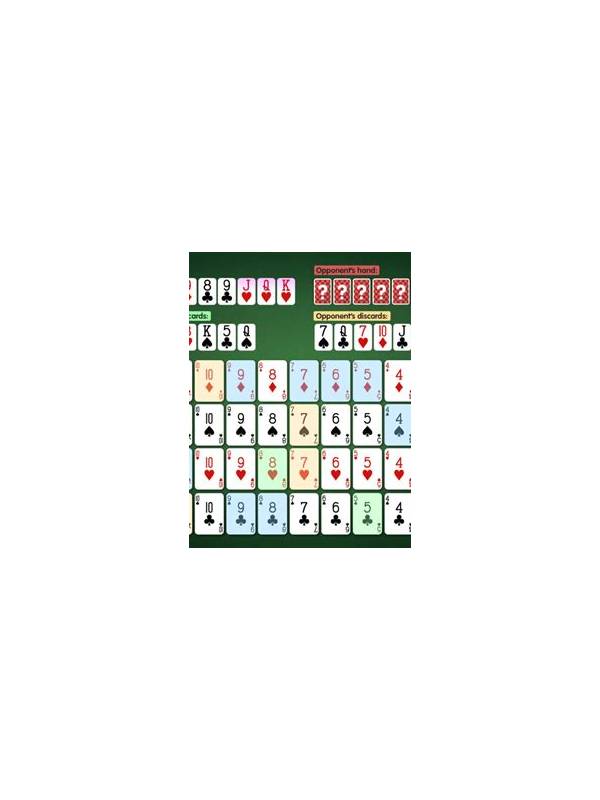
An opponent-view review asks what another player could reasonably infer from your draws, discards, and timing. It does not require guessing their hidden cards. The purpose is to notice patterns in your own behavior that make your hand easier to read or your discards too generous.
Begin with your discard sequence. Did you release cards from the same suit in a recognizable order? Did you discard a card immediately after drawing its neighbor, revealing that the neighbor was not useful? Repeated patterns are not automatically mistakes, but they may give another player more information than you intended.
Next, examine timing. Long pauses before a discard can suggest that several options were under consideration, while instant discards can suggest a card had no role. In timed play, speed is unavoidable, so do not try to act unnaturally. Instead, keep your decision process consistent and avoid dramatic changes caused by frustration or excitement.
Review the cards you made available. A discard that looked weak to you may have been a perfect connector for someone else. You cannot prevent every useful pickup, but you can ask whether your own hand had a safer alternative with similar penalty. This is especially important when the discard pile is visible and a round is advanced.
Do not overreact by making random discards. Concealment matters only after legal structure and hand value are considered. A high-penalty card should not be kept solely because releasing it might reveal that it was isolated. Good play balances information management with the need to reduce risk.
Use the review once or twice after a session, not after every action. The goal is a few durable adjustments, such as varying which equivalent card you release or avoiding a predictable sequence of signals. Clear structure remains more valuable than theatrical unpredictability.
If two isolated cards have similar penalty and neither helps a likely route, choose the discard that reveals less about your plan or is less likely to help visible needs at the table. If one card is clearly more dangerous to keep, release it even when it gives away a clue.
Keep this note concise and use it to guide one adjustment in the next session. A small, repeatable change is more useful than a long list of corrections.
Write the adjustment in plain language and check it once during the next round. If it does not help, revise the method after play rather than changing several habits at once.
Related Post
Rummy Safety: Pause When the Interface Is Unclear
Pausing during an unclear screen or connection problem can prevent accidental draws, duplicate taps, and [...]
Rummy Safety: A Pause Before Changing Account Settings
A short verification routine can protect players from rushed account and payment changes. [...]