Rummy Sequence Anchors: Start With the Strongest Link
When a thirteen-card rummy hand contains several possible connections, it is easy to chase every idea at once. A sequence anchor offers a calmer method. It is the strongest small cluster on which you can build, based on suit, proximity, and the number of cards already present. The anchor is not a prediction of the final hand; it is simply the most realistic starting point.
Look first for adjacent cards in the same suit. A three-card pure sequence is often more useful than a pair separated by several ranks because it is already a valid structural unit under common rules. A two-card connection can still be promising, particularly when both cards have more than one possible neighbor. Record the missing ranks mentally, then compare how many ways the group can improve.
Next, check whether a joker is being used to hide a weak plan. A joker can complete an impure sequence, but it should not make a distant combination look certain. Compare the joker-assisted idea with natural groups elsewhere in the hand. Preserving a strong pure sequence may be more valuable than using the joker immediately, especially if the other cards can form a set without it.
After choosing an anchor, sort the uncommitted cards around it. Keep cards that support more than one sensible arrangement, and release isolated high-point cards when they have no credible role. Each draw is a chance to update the anchor, not an obligation to defend it. If a new card creates a stronger pure sequence, the original plan may become secondary.
The anchor method also improves time management. Instead of scanning thirteen cards equally on every turn, begin with the protected group, review the two or three most connected loose cards, and then inspect the weakest discard candidate. Confirm that your arrangement uses each card once and follows the active variant’s declaration rules before submitting. A strong starting link will not decide every game, but it makes the hand easier to read and keeps speculation from taking over.
Write the anchor on a practice sheet using suit and rank, then list the cards that could improve it. This makes the difference between a one-card need and a long-shot idea obvious. During live play, keep the same review brief and never allow an anchor to become an excuse for holding an expensive isolated card. An anchor can be classified as strong, usable, or speculative. Strong means it is already valid; usable means it needs one realistic card; speculative means it depends on several precise events. Protect strong groups first, evaluate usable groups with the rest of the hand, and release speculative cards when their cost becomes uncomfortable. This vocabulary makes discussions with a practice partner clearer and prevents “almost connected” from being treated as a completed structure.
Related Post
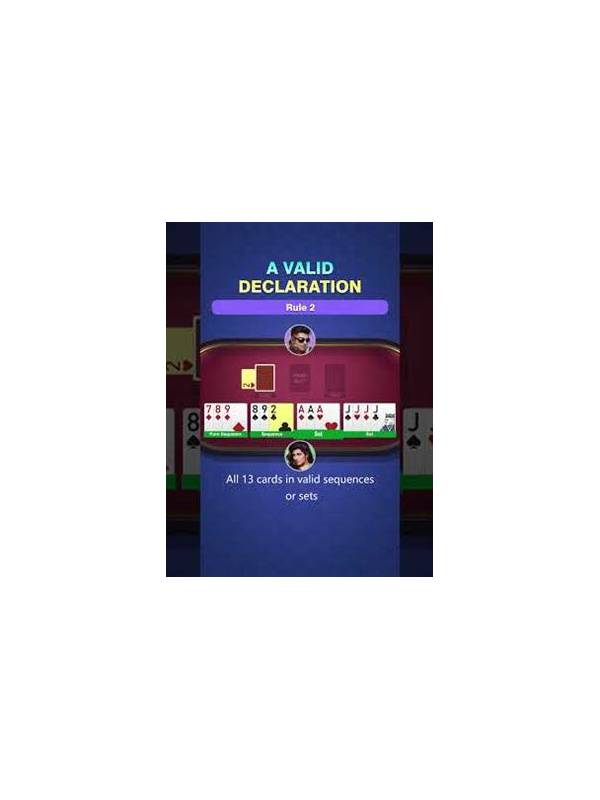
Rummy Guide: Make a Pre-Declaration Validation Pass
A repeatable validation pass checks structure, rules, and card ownership before you declare a rummy [...]
Rummy Practice: Rehearse a Turn With Three Deliberate Pauses
Three short pauses turn a routine draw-and-discard drill into focused decision practice. [...]