Rummy FAQ: What Is a Good Midgame Reset?

A midgame reset is a deliberate pause to read the hand again. It is useful when several draws have failed to help, the discard pile has changed, or your original plan now depends on an unlikely card. Resetting is not giving up; it is updating the plan.
What should you check first? Confirm the rules and declaration requirement, then separate completed groups from unfinished ideas. Count high-value unmatched cards and identify the two most realistic routes. Do not let a pair that was promising at the start dominate the whole hand.
Should you break an open plan? Consider its remaining outs, points, and exit. If it needs one exact card and blocks a safer low-point arrangement, a reset may mean releasing it. If it has several extensions and little penalty, keep it as one option while improving elsewhere.
How do you choose a new focus? Prefer a plan that reduces risk while preserving at least one route to a valid hand. A reset might mean building a set from repeated ranks, protecting a nearly complete sequence, or discarding a high isolated card before looking for another connection. The best focus depends on the current cards, not the original hope.
When should you stop instead of resetting? If you are tired, angry, chasing losses, or outside your planned time or spending limit, end the session. A strategic reset cannot solve a safety problem. Return another day with a clear review note.
Use the reset at a natural pause, not as an excuse to act without thought. Name what changed, name the new priority, and make one controlled decision. This keeps the middle of the hand from becoming a series of automatic reactions.
After the reset, allow the new plan time to produce information, but do not defend it stubbornly. A later draw may support it or show that another adjustment is sensible. The reset is successful when it restores a clear comparison between options. It is not successful merely because it creates a new story about how the hand might finish. Keep the next action small, legal, and consistent with your limits.
Write the reset reason in a few words if you are practicing: “old plan had one out,” “high cards exposed,” or “rule requirement missing.” These notes help distinguish a useful reset from random switching. Over several hands, they can reveal whether you reset too late, too often, or at an appropriate point.
Related Post
Mastering the Art of Yono Ahe Satta Matka A Comprehensive Guide
Mastering the Art of Yono Ahe Satta Matka A Comprehensive Guide Yono Ahe Satta Matka, [...]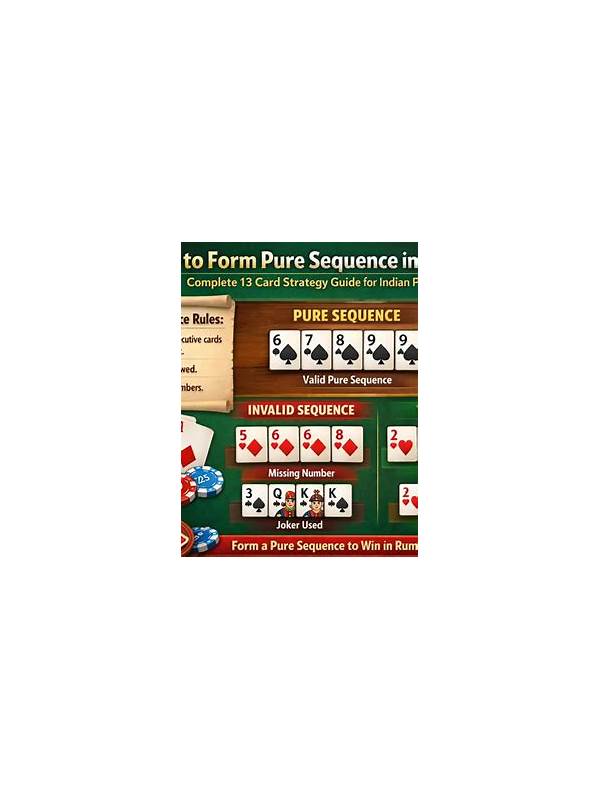
Rummy How-To: Test a Sequence Before Holding It
Testing a possible sequence against alternatives can prevent one attractive connection from controlling the whole [...]