Rummy Tips: Use an Evidence Ladder for Discard Decisions
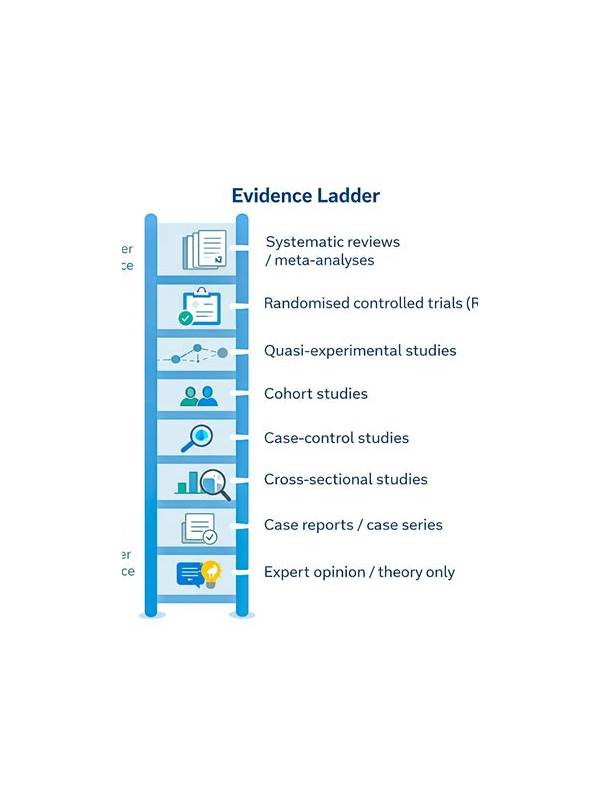
Discard choices become clearer when the reasons behind them are separated. Players often combine a visible fact with a strong assumption and then feel certain about a weak plan. An evidence ladder creates three levels: facts, reasonable inferences, and guesses. The ladder does not make uncertainty disappear, but it keeps confidence in proportion.
Facts are things you can verify. Examples include a card already in your hand, a card openly discarded, or a rule that defines a valid group. Reasonable inferences use those facts cautiously, such as noticing that a player has not taken several connected open cards. Guesses go further: assuming exactly what another player holds or predicting the next draw.
When choosing a discard, list the strongest fact first. Perhaps one card is isolated and high in points, while another belongs to a flexible pair. Then add the inference: keeping the pair preserves two practical plans. Finally identify the guess: an opponent might want the card you release. The guess can matter, but it should not outweigh the hand’s direct needs unless the risk is substantial.
Use the ladder again after a new draw. New information may promote an inference or weaken it. A card that looked isolated may become useful, while a supposed opponent signal may prove meaningless. Updating is not inconsistency; it is the point of using evidence. Avoid defending an old plan merely because you stated it confidently one turn earlier.
With practice, the ladder becomes a quick internal checklist: What do I know? What am I inferring? What am I imagining? Choose the discard that best serves the first two questions and accept that the third remains uncertain. This habit improves both strategic accuracy and emotional control when the table does not follow your expectations.
The ladder is especially useful after a surprising result. A successful guess should not automatically become a rule, and a failed inference should not make you ignore all table information. Ask which level the idea belonged to before the result and whether the result supplied new facts. This keeps learning grounded in process rather than hindsight.
Do not confuse confidence with evidence. A calm statement supported by one fact is stronger than an excited theory supported by several assumptions. Practicing that distinction can make decisions feel less dramatic, but it usually makes them more repeatable and easier to correct.
Related Post
Rummy Tips for Comparing Cards With Equal Point Values
When two cards carry the same points, compare their connections, information cost, and exit options. [...]
Rummy Safety: Check App Permissions Before a First Login
Reviewing permissions and account settings before playing is a practical way to protect privacy on [...]