Rummy Table Selection: Matching Session Length to Your Available Time
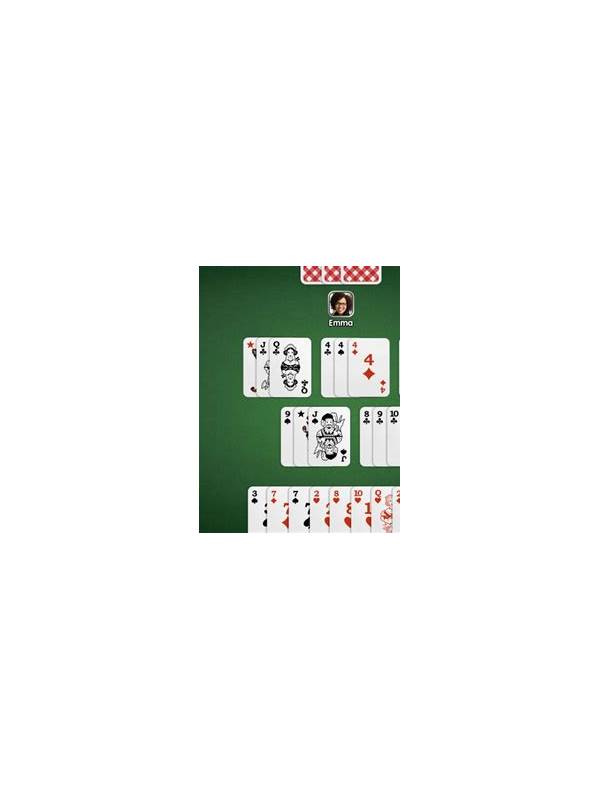
The best table is not always the one with the largest prize or fastest action. It is the one whose expected length, rules, and pace fit the time and attention you actually have. Choosing with that in mind reduces rushed decisions and makes leaving on time easier.
Before joining, check whether the format is a single hand, a multi-round match, a tournament, or a pool that can continue until a target score. Look for information about turn timers, breaks, and what happens if you disconnect. A format with an uncertain end may be unsuitable when you have a meeting, commute, or bedtime approaching.
Match the table to your attention level. A short practice hand may suit a quick rules check, while a longer match needs a quiet period without interruptions. Do not begin a paid session while driving, working, or caring for someone. Put the phone on a stable surface and make sure the battery and connection are adequate before starting.
Consider the pace as well as the clock. Fast turns can feel efficient but leave little room to check a declaration. Slower tables may be more comfortable for learning, even if they take longer. If the app displays a skill level or stake, treat it as information to review rather than a promise about difficulty or results.
Set a stop time before entry and use an alarm that does not require repeated snoozing. When the stop time arrives, finish the current hand if the rules allow, then leave. Do not join another table simply because the previous one ended early or badly. A session plan is successful when it respects your time, whatever the result.
Table selection is part of responsible play and sound concentration. Read the format details, estimate the commitment, and choose only when the conditions fit. A clear time boundary lets you enjoy the decisions in the hand without turning a casual game into an unwanted obligation. If your available time changes, change the format rather than hoping the table ends early. A short break between sessions can also reset attention and help you review whether the time boundary worked. Planning around real commitments is a sign of control, not a limitation on enjoyment. When in doubt, select a shorter practice option and leave enough time to close the app calmly. Keep a note of the planned finish time beside the table name, especially when a format includes several rounds. If the remaining commitment becomes unclear, leave before starting another hand. A controlled exit protects the quality of your decisions and makes the next session easier to plan. Time is a resource worth managing.
Related Post
What to Do When an Online Rummy Turn Timer Feels Too Short
Practical ways to make faster, calmer decisions when an online rummy timer is running. [...]
Rummy FAQ: What Is a Reversible Discard?
A reversible discard is a choice that preserves several future plans and is easier to [...]