Rummy How-To: Prepare a Quiet Review Environment
The quality of practice depends partly on the review environment. Noise, interruptions, and hurried notes can make a sound decision look careless or make a careless decision seem reasonable. Preparing a quiet setting helps you examine the hand itself.
Choose a short, defined review period. Ten or fifteen focused minutes is often more useful than a long session in which attention fades. Keep the hand record, rules, and a simple note template available. Remove unrelated notifications and protect private account information.
Review the timeline before reading the result. Write what was visible, what you believed, and what action you took. Then compare the actual outcome. This order reduces hindsight bias and keeps the review tied to the information available at the time.
Use a neutral vocabulary. Describe a draw as narrow, broad, confirmed, or speculative. Describe an error as a rule check, organization, timing, or emotional issue. Avoid labels that attack your ability. The goal is to find the next practice task.
End with one change and one thing to keep. For example, you might keep a two-column review while adding a switch point for narrow draws. A small adjustment is easier to test than a promise to change everything.
Never use review as a reason to continue a frustrating paid session. Stop first, then analyze later in a calm setting. A quiet environment supports learning, but responsible boundaries still come first. If you review with another person, describe what was visible and avoid debating who would have won. Mark missing information instead of inventing it. If you review with another person, describe what was visible and avoid debating who would have won. Mark missing information instead of inventing it. A quiet review should produce one small practice adjustment. A quiet review can also expose interface problems, such as unreadable card details or unclear action buttons. Resolve those issues in free practice before using a faster table. Better concentration cannot compensate for an interface you cannot reliably interpret. Keep the review short enough to repeat. Ten focused minutes with a clear timeline is better than a long argument driven by frustration. Record one fact, one interpretation, and one adjustment. This structure makes missing information visible and gives the next practice session a useful target. The best review environment is one you can use consistently without pressure, distraction, or unnecessary personal exposure. This discipline keeps practice focused on learning rather than on defending a past outcome or extending a stressful session.
Related Post
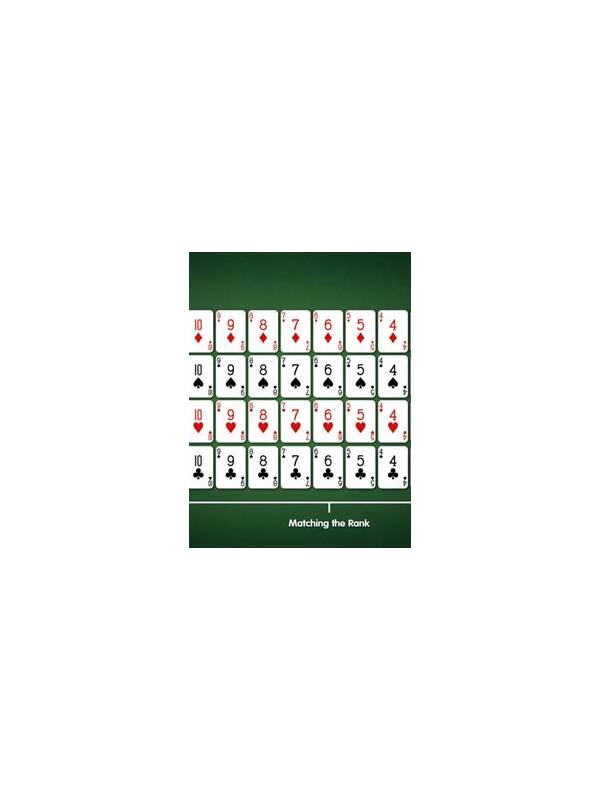
Rummy Set Completion: Compare Rank Groups Without Chasing Them
A focused method shows when a same-rank group is worth keeping and when it is [...]
Rummy Comparison: Casual Notes Versus Formal Hand Logs
The right record-keeping style depends on whether you want a quick reminder or a detailed [...]