Rummy Table Timing: Making Decisions Before the Clock Runs Out
Online rummy tables may give you only a short period to draw, arrange, and discard. Speed matters, but rushing can create an invalid declaration or an expensive accidental discard. The best response is a small routine that separates observation from action.
Use the opponent’s turn to prepare. Check your current groups, identify the card you are most likely to discard, and notice whether the open pile offers a useful card. You do not need to solve the entire hand before your turn. Preparing one likely discard and one backup keeps your attention available for the new card.
When the turn begins, inspect the draw before rearranging everything. Decide whether it creates a confirmed group, improves a flexible pair, or is simply a low-risk temporary hold. Then place the card into a clear position. Sorting constantly can make it harder to remember what changed and can consume valuable seconds.
Keep a three-part decision order: protect the pure sequence, reduce dangerous points, and improve the remaining groups. This order is not an absolute rule, but it is a useful emergency checklist. If a move threatens your only pure sequence, examine it carefully. If no meaningful improvement is available, discard the high-point singleton rather than waiting for inspiration.
Reserve the final seconds for verification. Confirm that you selected the intended pile, that the card you are discarding is correct, and that your hand still has the required number of cards. For a declaration, inspect every group against the table’s exact rules instead of trusting visual similarity. A timer should encourage preparation, not eliminate checking.
You can improve timing through practice. Deal a sample hand, give yourself a modest limit, and narrate the three decisions: what is protected, what is being built, and what leaves. Do not train yourself to click quickly without understanding. The goal is a calm sequence of accurate actions.
If the timer repeatedly causes stress, choose tables with longer limits or lower pressure when available. A recreational game should fit your concentration level. Good timing is disciplined attention: prepare early, change only what the draw requires, and save a final moment for accuracy. n+Avoid using speed as a status measure. The fastest player is not necessarily making the best decisions, and copying another player’s pace can increase mistakes. If the interface provides a preview or sorting option, learn it in practice mode first. Keep your hand layout familiar and avoid experimenting with display settings during a live round. A stable visual routine reduces the number of choices your brain must make when the clock is already applying pressure.
Related Post
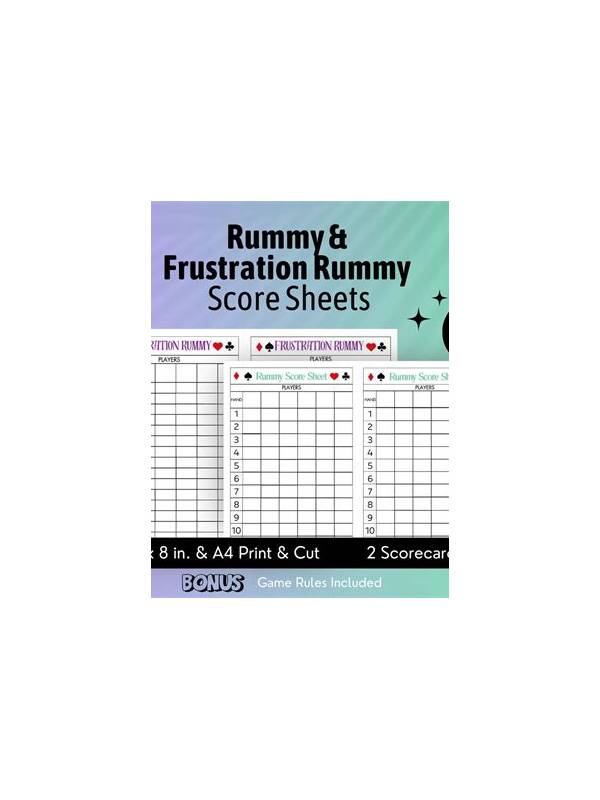
How to Keep a Rummy Score Sheet That Helps You Learn
How to Keep a Rummy Score Sheet That Helps You Learn offers practical guidance for [...]
Rummy FAQ: Can Two Melds Share a Card?
Learn why a physical card normally belongs to only one meld and how to check [...]