Rummy Timing Practice: Sort a Hand Before the Clock Runs Down
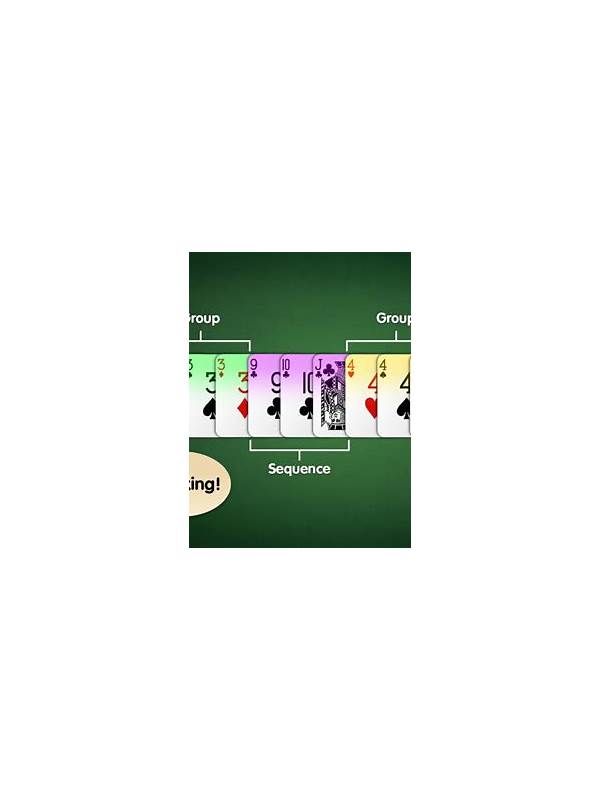
Time pressure changes how people see cards. A hand that feels clear in a relaxed review can become confusing when the turn clock is nearly finished. A short timing drill can make the essential steps automatic without encouraging rushed decisions during real play.
Use a random hand and a timer shorter than your normal turn. Spend the first few seconds sorting by suit and rank, or by the layout method you use most comfortably. Then identify one secure group, one flexible group, and one likely discard. Do not search for a perfect final arrangement. The drill rewards a defensible choice made with enough time to check it.
Repeat while changing the order of your tasks. In one round, sort first; in another, identify the highest-risk card first. Notice which routine reduces errors. A good routine should leave a final moment for three checks: does the discard break a required natural sequence, does it carry unnecessary points, and does it remove a card that has two realistic connections?
Keep your visual layout stable. On a small screen, constantly dragging cards can consume time and create mistakes. If the app offers sorting controls, learn what they do before joining a consequential table. If not, use a simple physical or mental grouping pattern and avoid rearranging cards after every draw.
Timing practice should include interruptions. Pause the timer once, look away, and resume with a quick scan of your groups. This mirrors the effect of a notification or momentary distraction. The solution is not to play while distracted; it is to learn how to reorient safely before acting.
Measure accuracy, not only speed. If you finish quickly but repeatedly destroy useful connectors, extend the timer and improve the review step. Over time, aim for calm consistency: recognize structure early, choose a reasonable discard, and leave enough seconds to confirm the action.
Do not use a timing drill as a reason to ignore the rules or play while distracted. If the table is moving too quickly for a final confirmation, choose a lower-risk practice setting until the routine improves. A missed timer can be frustrating, but increasing stakes will not teach faster recognition. The useful result is a repeatable sequence of actions that remains accurate when the hand is untidy and the available time is limited. Use familiar examples first, then add awkward hands and different layouts as your routine becomes stable. This gradual increase keeps the exercise challenging without turning it into a race. The goal is a final deliberate check, even when only a few seconds remain.
Related Post
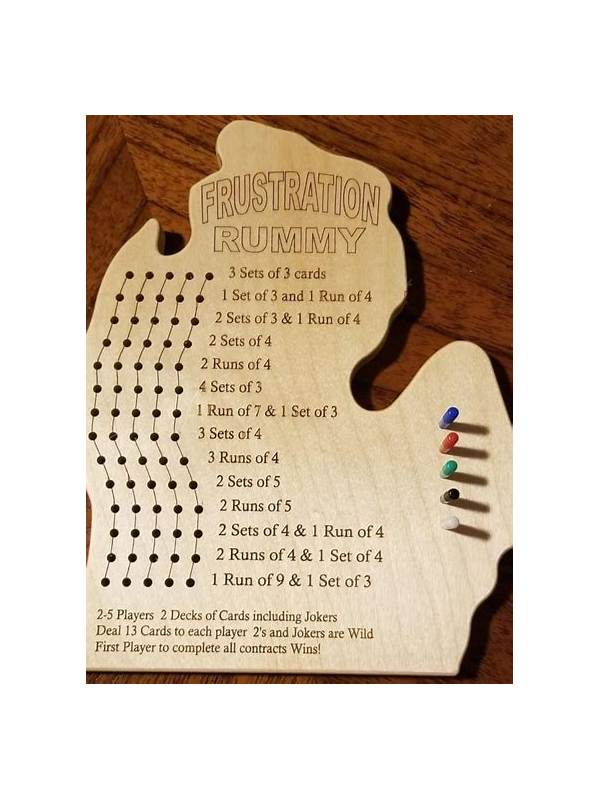
Rummy FAQ: How Many Plans Should Stay Alive?
Keeping a small number of competing plans preserves flexibility without turning the hand into confusion. [...]
Rummy Connection Distance: Measuring How Much a Card Needs
Counting the distance between cards offers a practical way to compare promising and speculative combinations. [...]