Rummy FAQ: What Does a Repeated Discard Really Mean?
A repeated discard may suggest that a player is avoiding a rank, suit, or type of card, yet it never provides complete certainty. Players can make different choices for the same reason, and an apparent pattern may be created by a short run of unlucky draws. Read the action in context.
What is a strong signal? A card repeatedly released after being drawn is more informative than a card discarded once from an opening hand. It may mean the card no longer fits the player’s arrangement. Even then, the player could be using it as a temporary placeholder or responding to a rule-specific requirement.
Does repeated rejection make nearby cards safe to discard? Not automatically. If a player avoids a nine, they may still need an eight or ten. A visible discard can also be a deliberate attempt to influence what others believe. Protect your own essential groups before trying to deny a speculative connection.
How should timing affect interpretation? Early repetitions may describe an opening preference; late repetitions may show a hand under pressure. A player who is close to declaring may release cards differently from a player with many turns available. Note whether their pickups and discards are becoming more focused.
Can the same pattern help your own hand? Yes. If the open pile contains several cards of a type that no observed player appears to want, one may be more available. But availability is not a guarantee that the next draw will help. Use the clue to compare options, not to justify a risky chase.
The best response to a repeated discard is a modest adjustment. Mark it mentally, avoid giving away an obvious neighbor when another discard is equally sound, and continue evaluating your structure. Good table reading improves probabilities while accepting uncertainty.
Also distinguish a repeated discard from a repeated card type. Two face cards may leave for entirely different reasons, while two cards of one suit may reflect a single temporary rearrangement. Ask whether the pattern is actually specific enough to influence your move. If not, let it remain background information. The strongest players can notice a signal without feeling compelled to act on it, especially when their own hand offers a safer and clearer discard. Revisit the interpretation after the next pickup rather than defending it automatically. A flexible reading leaves room for correction.
Keep the note brief and return attention to your own required groups.
Related Post
Rummy Safety: Audit Links Before Downloading a Game File
Follow a cautious checklist for evaluating a download link before opening an unfamiliar game file. [...]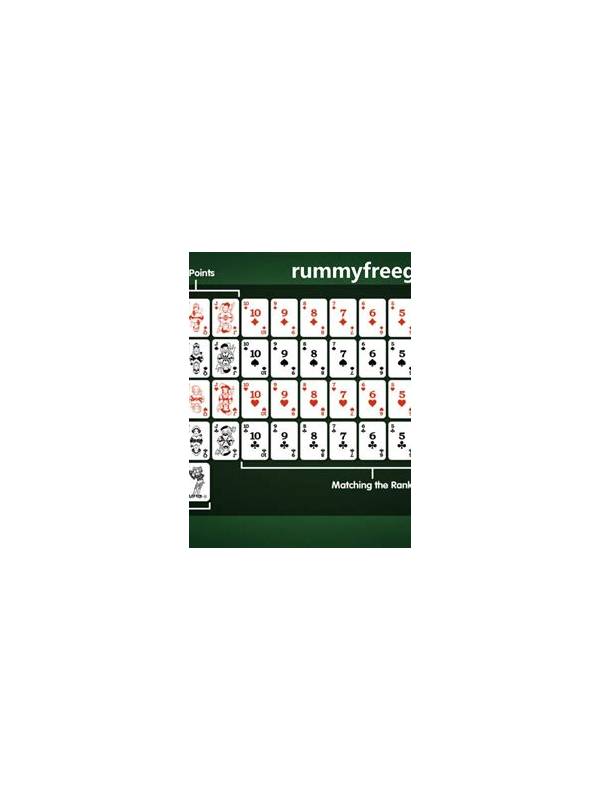
Rummy How-To: Use a Reversible Plan for the Opening Hand
A reversible opening plan lets you organize a new rummy hand without locking into a [...]