Rummy Tips: Decide When to Abandon a Nearly Complete Group
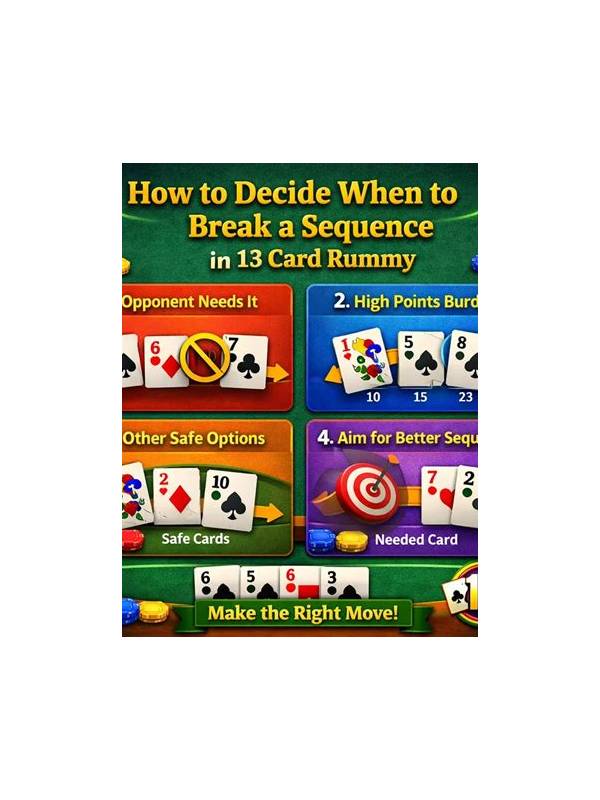
A nearly complete group can be one of the most distracting features in a rummy hand. Holding two connected cards feels productive because one more card may finish the plan. Yet the same pair can occupy space while better opportunities pass by. The right question is not whether the group is close; it is whether keeping it remains efficient.
Begin by counting the realistic cards that could complete it. If you hold two cards that can connect in only one narrow way, the group is fragile. If several ranks or a wildcard could help, it may be more flexible. Do not count a card twice when it is already needed by another plan. A theoretical out is not a practical out if using it would break your strongest structure.
Then review how long you have held the pair. Early in a deal, keeping a reasonable connector can be sensible because there is time to improve. Later, the same pair deserves a higher standard. Ask whether it has gained a third card, whether the discard pile has offered useful information, and whether your unmatched cards are becoming expensive under the scoring rules.
Compare the pair with your best alternative. Imagine discarding one card from the partial group and using the freed space to pursue a known sequence, a set, or a safer low-value card. You do not need to predict the perfect hand. You only need to identify whether the current plan is clearly weaker than the available replacement.
Pay attention to duplicate needs. Two partial groups may both require the same rank, suit, or joker. When this happens, the hand can appear rich while actually depending on one unlikely card. Choose the structure with more independent finishing options, especially if it also leaves fewer high cards outside valid combinations.
Abandoning a group is not admitting failure. It is a normal mid-hand adjustment. Make the decision deliberately, discard the least useful member, and reorganize the remaining cards immediately. A clean break often improves visibility and prevents emotional attachment to a plan that was attractive only because it was started first. Set a review trigger before the next draw, such as releasing the pair if it gains no support after two turns. This removes repeated negotiation and makes the plan answer to evidence instead of effort already invested. This keeps the method practical, focused, and easy to apply during the next ordinary turn.
Related Post
Rummy Practice: Predict the Next Useful Card
Predicting useful cards in a practice hand improves planning while teaching the limits of uncertain [...]
Rummy Comparison: Recounting the Hand or Rebuilding the Plan
Recounting events and rebuilding alternatives answer different questions in a useful rummy review. [...]