Rummy Tips: Compare Two Discards Before Choosing One
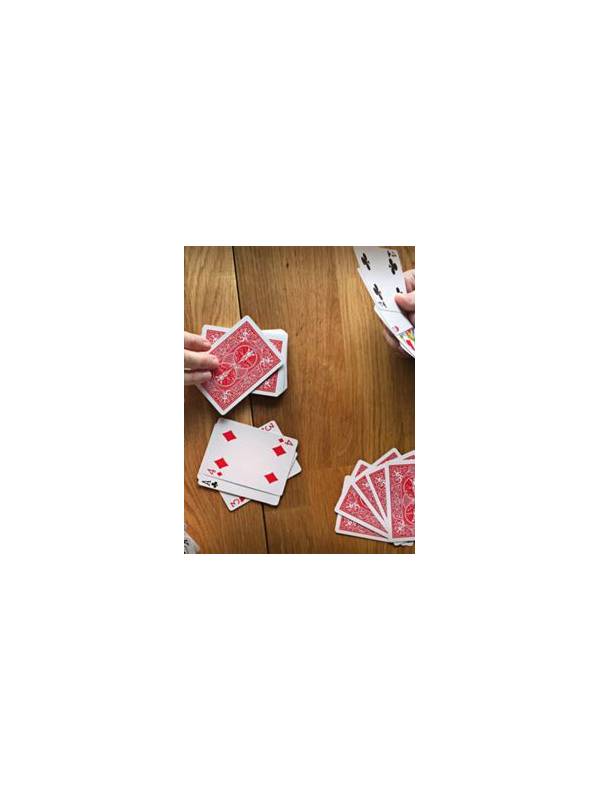
When two discards both look reasonable, choosing the first one that comes to mind can hide an important trade-off. A short comparison makes the decision clearer. The objective is not to calculate every possibility; it is to identify what each discard protects and what it gives up.
For each candidate, name its current job. Is it part of a confirmed sequence, a broad connection, a narrow draw, or an isolated card? A card with no realistic job is usually easier to release than one supporting a required structure. Use the same labels for both candidates so that the comparison is fair.
Then check point exposure. If one discard removes a high isolated card, note that benefit. If it breaks a useful group, note the cost. Do not treat points as the only measure. A low-value card can still be strategically important when it preserves several routes.
Third, consider information. An open discard may be useful to another player, especially if it is a central rank or a visible continuation. You cannot know another hand with certainty, but you can recognize when one choice gives a stronger signal. If the structural difference is small, lower information risk may decide the comparison.
Finally, ask which hand you would rather hold if the next draw is ordinary rather than perfect. This question favors resilience over wishful thinking. A discard that leaves two manageable routes may be better than one that creates a beautiful but narrow plan.
Practice by pausing after a hand and writing the two choices you considered. Record the reason for the chosen discard and the reason against the alternative. Over time, this reveals whether you overvalue point reduction, visible matches, or speculative flexibility. Two-discard comparison is a small habit, but it makes hidden trade-offs visible. Keep the comparison brief during a live hand: structure first, point exposure second, and information third. Save the original reasons before seeing the result so hindsight does not rewrite the decision. If the candidates remain close, choose the one that leaves a clearer next review point. You do not need the perfect discard; you need a legal, explainable choice that keeps the hand manageable. Save the reason before seeing the result so hindsight does not rewrite the decision. The comparison should remain proportional to the decision. If one discard protects a required structure, act. If both choices are ordinary, use flexibility and point exposure as tie-breakers. Review later whether the chosen reason was supported by information visible at the time.
Related Post
Rummy Guide: Compare Cards by Recovery Cost
Recovery cost measures how difficult it would be to rebuild your hand after releasing a [...]
Rummy App Permission Review: What Access Should Be Necessary
Rummy App Permission Review: What Access Should Be Necessary offers practical guidance for clearer, safer, [...]