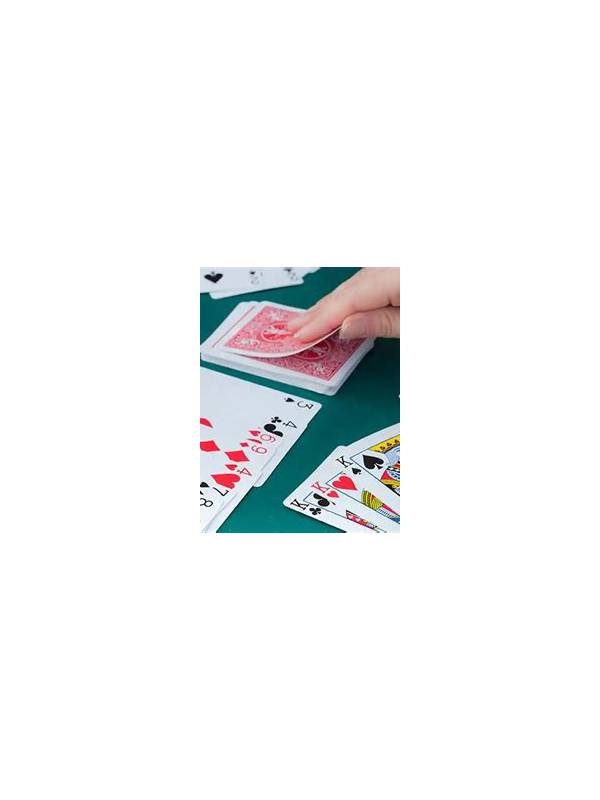
Rummy Tips: Make Your Discards Easy to Explain
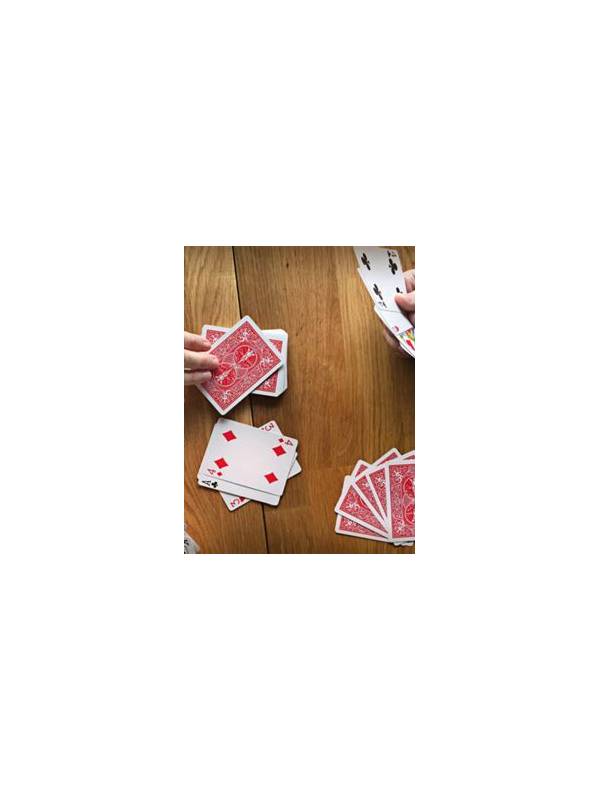
This standard is helpful in group discussions because it keeps the conversation concrete. Ask what structure changed and what risk changed. If neither answer is clear, the card may be interesting without being important.
Before releasing a card, try to explain the choice in one sentence. “This card has no credible connection and carries a high penalty” is clear. “I have held it for a while” is not a strategy. The explanation test takes little time and exposes decisions that are being driven by attachment or habit.
Use three parts in the sentence: current role, future value, and risk. Describe what the card does in your hand now. Then state whether it can realistically help a plan. Finally, mention the cost of giving it up or keeping it. For example, a card may be part of a weak pair, have one possible connector, and carry moderate points. That is enough information for a comparison.
The test does not require certainty. A card can be kept with a reasonable explanation even when its future is unclear. The goal is to distinguish a deliberate gamble from an unintentional delay. If you cannot explain the card, compare it with another uncertain card and choose the one with fewer credible uses.
In a social game, explanations need not be spoken aloud. Saying every thought can reveal information and slow the table. Keep the sentence internal or write a short note during practice. At a relaxed learning table, discussing choices after a hand can help, but avoid turning explanations into criticism of another player.
Be careful not to confuse a tidy explanation with a good decision. People can rationalize almost anything after the fact. Test the sentence against the visible hand: does it account for confirmed groups, likely connectors, and declaration requirements? If it ignores one of these, the explanation is incomplete.
Over time, repeated sentences reveal your habits. You may notice that you protect cards because they were difficult to draw, keep pairs too long, or discard useful middle cards whenever the table speeds up. Choose one habit to observe in the next session. A clear explanation will not guarantee a favorable draw, but it makes the quality of your process easier to improve.
The explanation test is also useful when a card is discarded by another player and becomes available to you. Ask why taking it would improve the hand, not merely why it looks interesting. This guards against collecting cards because they tell a pleasant story. A card deserves attention when it changes the structure or risk of the hand in a measurable way.
Related Post
Rummy FAQ: Can You Change a Plan After Drawing?
Changing direction after a draw is normal when the new card changes your hand's best [...]
Rummy FAQ: What Should You Do When No Card Improves Your Hand?
When every draw seems unhelpful, a structured reset can protect your options and reduce rushed [...]