Rummy Tips: Protect Flexibility With a Card Role Map
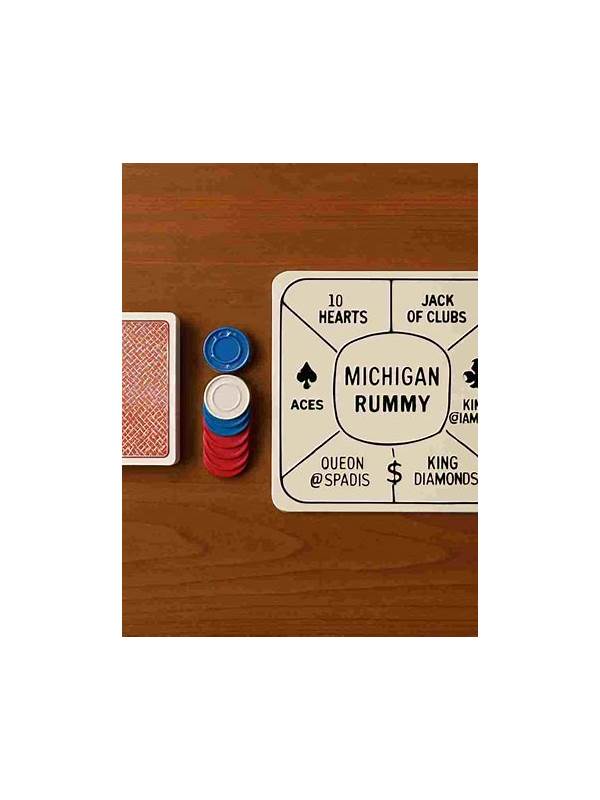
Cards often have more than one possible role. A middle rank might extend a sequence, join a set, or remain a useful discard later. A role map makes those possibilities visible. It is a temporary working model, not a permanent classification, and it should change as new cards appear.
Start by labeling each card as committed, flexible, or isolated. A committed card belongs to a group you strongly want to protect. A flexible card supports at least two plausible arrangements. An isolated card has no current partner or useful connection. Be careful not to call a card flexible merely because you can imagine a far-off combination.
Next, mark dependencies. If two groups need the same card, draw a simple note beside both. This reveals plans that compete with one another. A hand can look rich while actually depending on one narrow draw. When a dependency is discovered, decide which group has the clearer path and release the weaker one earlier.
Use the map before discarding. Protect committed cards unless a rule or score situation says otherwise. Prefer discarding an isolated card when its penalty is meaningful, but check whether it is a valuable signal to an opponent. Flexible cards deserve careful treatment: keeping too many can delay progress, while discarding one may close several routes.
Refresh the map after each important event. A card becomes committed when a group is completed, and a former commitment may become isolated when a needed card is shown elsewhere. The map is helpful because it separates evidence from attachment. If a card has stayed “promising” for too long without improvement, let the role change and simplify the hand.
Related Post
Rummy Safety: Use a Pause Rule After a Frustrating Loss
A predefined pause rule can protect your time, budget, and judgment after an emotionally difficult [...]
Rummy Comparison: Fixed Discard Rules Versus Contextual Choices
Fixed discard rules offer consistency, while contextual choices account for hand structure and table information. [...]