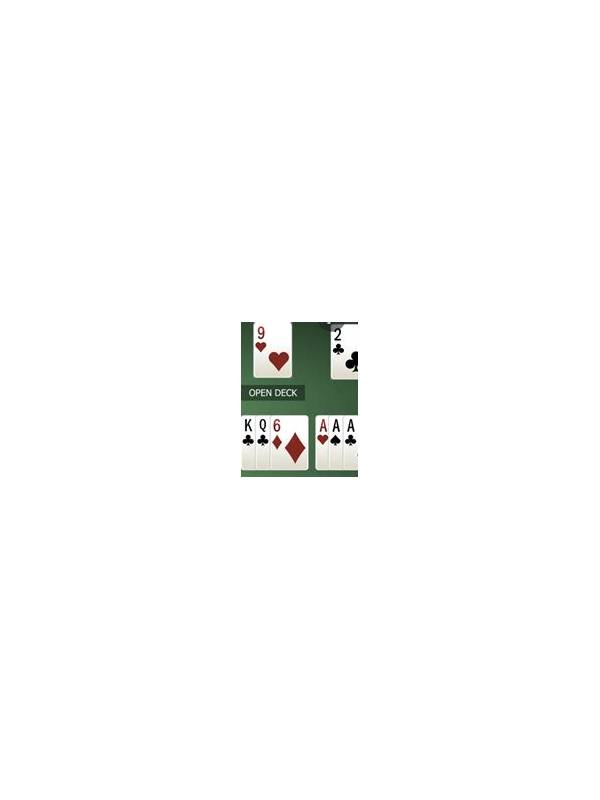
Rummy Tips: Reset After an Interrupted Session
An interruption can leave you staring at a hand without remembering your last plan. The safest response is a short reset, not an immediate guess. Reconstruct the current state first, then decide whether continuing is sensible.
Check the table status. Confirm whose turn it is, what you drew, and whether the last action completed successfully. Look for a changed discard pile or an on-screen confirmation. If the connection was unstable, do not assume that a tap registered because the screen moved. Use the game’s official history or status indicator when available.
Next, inspect your hand from the beginning. Identify the required pure sequence, confirmed groups, partial groups, and leftovers. Avoid relying on the mental picture you had before the interruption. A single draw may have changed the best plan, and a delayed screen may have shown an older state.
Use a simple reset phrase: “What is confirmed, what is possible, and what must happen next?” Confirmed cards belong to legal groups. Possible cards have at least one plausible role. The next action should be described in one sentence, such as drawing to improve a partial sequence or discarding an isolated high card. If you cannot state it clearly, take another moment.
Consider whether you are still fit to continue. An interruption caused by fatigue, stress, or an urgent responsibility may be a reason to stop after the current safe action. Never chase a missed opportunity simply because the session was disrupted. The goal is to return with a clear decision, not to recover an imagined advantage.
Afterward, note what caused the confusion and whether a setting could prevent it. Use focus mode, a stable connection, or a clearer card layout where appropriate. A reset routine turns interruptions from chaotic moments into a manageable checkpoint and keeps one missing minute from controlling the rest of the hand. If the interruption happens repeatedly, change the session conditions rather than relying on willpower. Shorter sessions, a quieter location, or a device with clearer status feedback may solve the underlying problem. Continuing through repeated confusion is rarely a sign of disciplined play. A reset is not an admission that the hand is lost. It is a way to replace memory with current evidence. Once the state is clear, you can continue, pause, or leave with the same information you would have had without the interruption. Write down the interruption time if the platform makes the hand history available. This provides a factual reference when reconstructing events and helps you report a genuine technical issue. Keep the record limited to the session details needed for troubleshooting.
Related Post

Rummy FAQ: Why Should You Verify the Rules Before a New Table?
Confirming rules before joining a new rummy table prevents avoidable mistakes about declarations, scoring, and [...]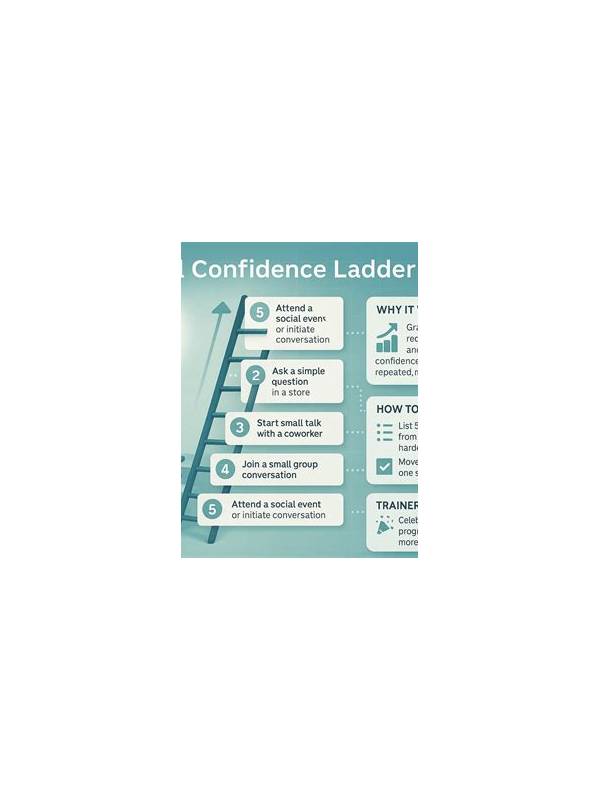
Rummy Guide: Use a Confidence Ladder for Draws
A three-level confidence ladder helps distinguish confirmed progress from attractive but uncertain rummy draws. [...]