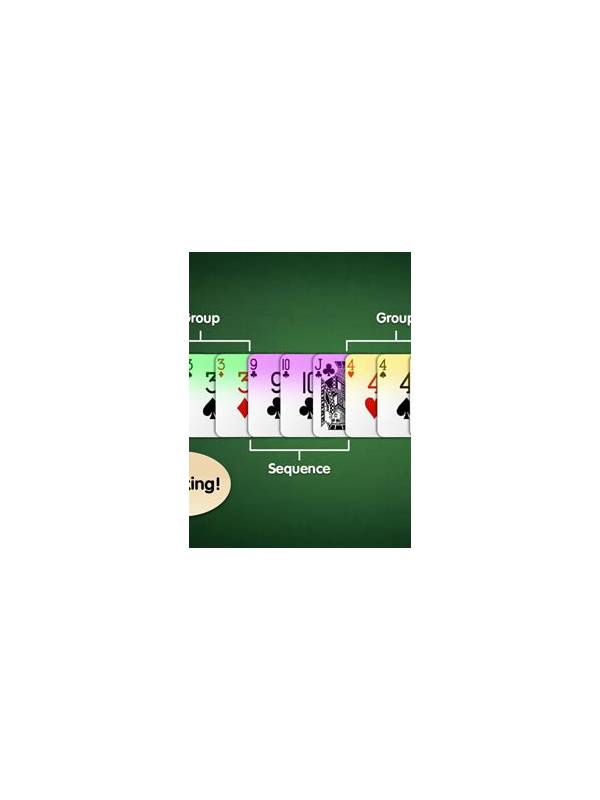
Rummy Tips: Mark the Difference Between Fact and Assumption
Rummy decisions become noisy when facts and assumptions blend together. “The eight of clubs was discarded” is a fact. “The player cannot be building clubs” is an assumption. The second statement might be reasonable, but it is not guaranteed. Keeping these categories separate helps you update your plan when new cards contradict your first impression.
Use three mental columns. In the first, place visible facts: cards in your hand, public discards, completed declarations, and the current turn. In the second, place possible explanations: an opponent may be collecting a suit, abandoning a sequence, or protecting a high-value card. In the third, place actions that follow from the evidence. This small structure prevents a guess from silently becoming a rule.
Facts can be strong without being complete. Seeing two cards of a suit in a discard pile tells you something about what has been rejected, but it does not reveal every card in an opponent’s hand. Similarly, holding a pair does not prove that the missing neighbors will arrive. Treat information as a change in probability, not a promise.
When two actions look close, compare them using only evidence you can defend. If one discard reduces points and preserves two routes, that is a concrete advantage. If the other discard “feels safe” because of a single opponent action, that is a weaker basis. You can still choose the second action, but name the uncertainty honestly. Clear language makes the choice easier to review later.
Update aggressively when a new fact arrives. If an opponent takes a card you believed they did not want, do not protect the old story. Ask which assumption failed and whether the new event changes your own discard. This is not a demand to remember every card; it is a habit of allowing evidence to correct you.
The same method works after a loss. Write down the decision, the facts available at the time, and the assumption you made. Then check whether the assumption was supported or merely lucky. A poor result does not prove the decision was poor, and a win does not prove the assumption was sound. Separating fact from interpretation produces calmer play and more useful learning.
In practice, this can be one quiet sentence before a discard: “I know this card is visible; I only suspect what it means.” That reminder preserves curiosity and leaves room for the next public action to change your plan.
Related Post
Rummy How-To: Audit a Session for Rule Misunderstandings
A short post-session audit can separate a strategic error from a misunderstanding of the table’s [...]
Yono 777 Slots Real Money Games Unleash the Thrills of Online Casino Gaming
Yono 777 Slots Real Money Games Unleash the Thrills of Online Casino Gaming Are you [...]