Rummy Tips: Set a Recheck Point After Every Joker
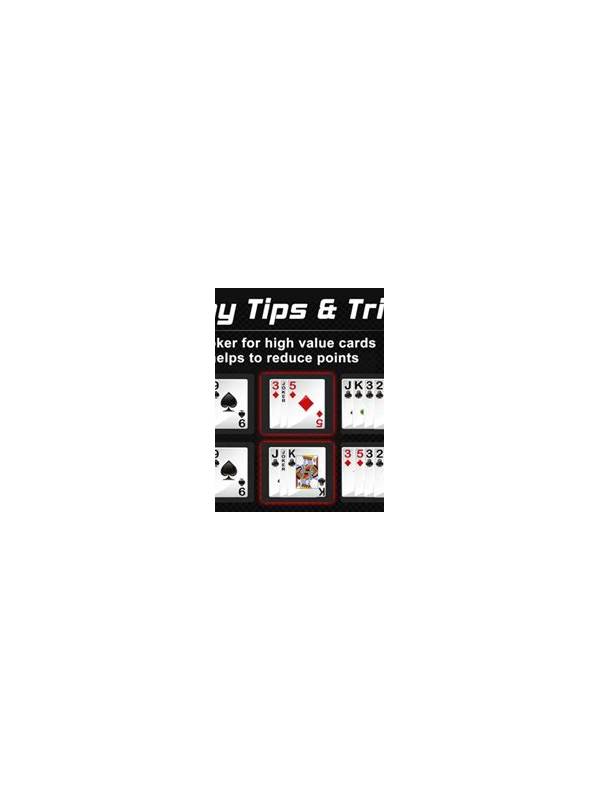
A joker is powerful because it can substitute for a missing card, but that power can also make a weak plan look complete. After drawing or receiving a joker, set a recheck point before rearranging the entire hand. The purpose is to confirm what the joker actually improves and what remains unresolved.
Begin by identifying the joker’s best current role. Does it complete a pure sequence alternative, support a set, or reduce the value of an isolated card? Assign it to one route temporarily. Do not count the same joker as support for several groups at once. A card can be flexible, but it cannot legally occupy multiple melds in the final declaration.
Next, inspect the natural cards around that route. A joker-assisted group may be valid, yet the hand may still lack a pure sequence or contain too many expensive leftovers. Ask whether using the joker there leaves another group impossible. Sometimes moving the joker from a nearly complete set to a sequence creates a much safer overall structure.
Set a second check for the next turn. Record what card would make the route natural, what card would make the joker’s current role unnecessary, and what condition would cause you to move it. This keeps the joker from becoming an emotional anchor. If no useful card appears, evaluate the whole hand again instead of defending the original assignment.
Be careful with points and local rules. Some formats treat jokers and declarations differently, and not every platform uses identical rules. Read the table’s current rules before relying on a familiar assumption. A strategy that is sound in one variant may be illegal or inefficient in another.
Finally, separate the value of the joker from the value of the hand. The joker is an asset, not proof that the hand is close to completion. A clear recheck asks whether the number of unfinished groups fell, whether the pure-sequence requirement is satisfied, and whether the remaining discards are safe. If the answer is no, keep planning rather than celebrating the draw.
Also check whether the joker changed your discard priorities. A card that was safe to release before the draw may now be natural support for another group. Rebuild the complete hand before selecting the joker’s role.
One useful question is whether the joker reduced risk or merely moved it. If the remaining cards still depend on several narrow draws, the hand may need a route change even though one group looks finished. Keep the recheck focused on the whole arrangement, not on the most exciting card.
Related Post
Rummy Hand Temperature: A Guide to Changing Plans
Learn how to tell whether a rummy hand is warming up, cooling down, or ready [...]
Rummy How-To: Build a Three-Level Hand Review
A three-level review separates legality, improvement, and risk so a quick hand check stays focused. [...]