Rummy Tips for Tracking Your Own Discard Patterns
The record can include decision speed without measuring it precisely. Mark a choice as calm, rushed, or interrupted. This helps distinguish a strategic preference from a condition that affected execution. If rushed decisions cluster near the end of a session, the solution may be a shorter session or an earlier break rather than a new card rule. If they follow a particular draw, add a trigger for that moment.
Players usually study opponents’ discards first, but their own discard history may reveal more actionable information. A short record across several hands can show whether high cards are released too late, whether promising pairs are protected too long, or whether decisions change under time pressure.
Keep the record simple. For each hand, note the first discard, the most expensive card held near the end, and one discard that changed the hand’s direction. Add a reason using a few words: isolated high card, stalled pair, safer connector, or penalty reduction. The point is consistency, not a complete transcript of every turn.
After ten hands, group the notes by pattern. If the first discard is usually a high card, ask whether the decision is based on penalty alone or whether it ignores flexible connections. If late discards are often cards that were once part of a plan, check whether review triggers are arriving too late. If the same suit appears repeatedly in decisions, consider whether visual grouping is influencing judgment.
Look for balance rather than a perfect target. No player should always discard the highest card or always preserve the most flexible card. Good decisions depend on the whole hand and the format. The record is valuable because it shows whether a rule is being applied mechanically when the situation calls for comparison.
Use the findings to choose one adjustment. For example, if stalled pairs survive too long, set a two-draw review point. If high cards are released immediately even when they anchor a sequence, require a structure check first. Test one adjustment for another ten hands so the result is interpretable.
Do not treat a favorable result as proof that a habit is good. A risky discard may work several times, while a careful discard may be followed by an unlucky draw. Judge the process: was the reason clear, was the alternative considered, and did the choice fit the information available? This kind of self-tracking improves awareness without pretending that cards can be controlled.
Related Post
Rummy Safety: Keep Notifications Away From Gameplay Screens
Notification and recording habits can reduce the chance that private messages or account details appear [...]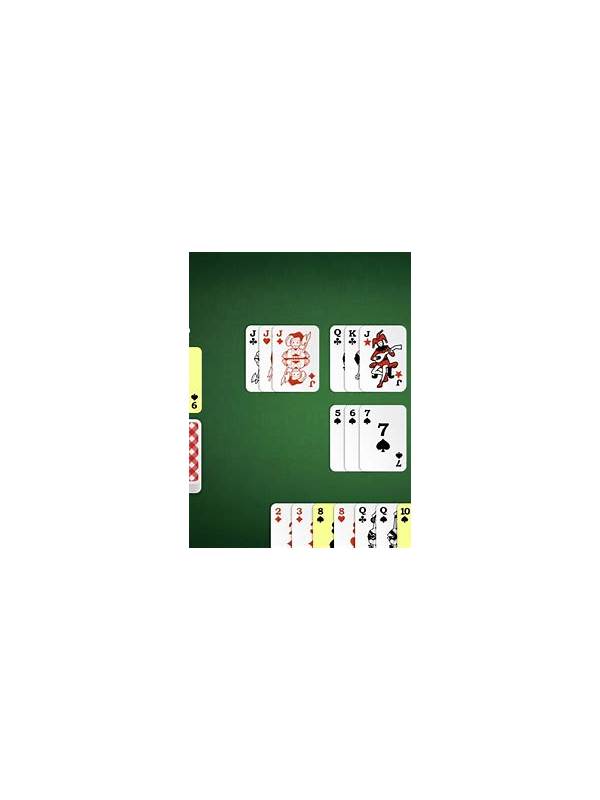
Rummy FAQ: Should You Change Plans After an Opponent Melds?
An opponent’s meld is information that may update your priorities, not an automatic command to [...]