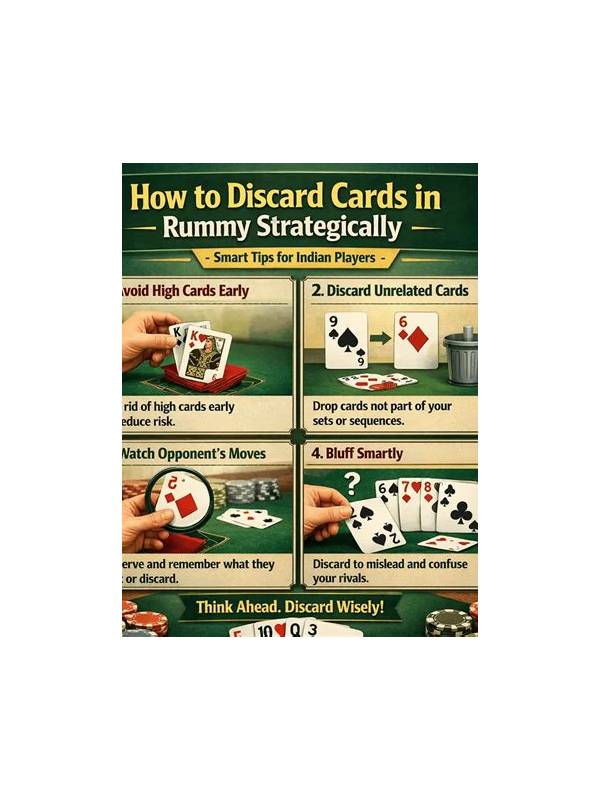
Rummy Tips: Treat the Discard Pile as a Sequence of Decisions
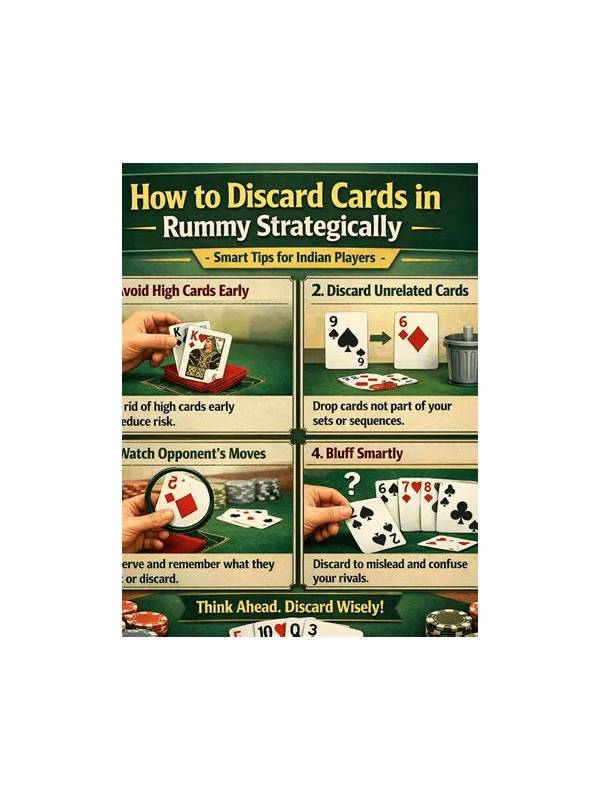
The discard pile is not only a list of cards that are no longer wanted. It is a record of changing judgments. Reading it as a sequence of decisions can help you understand the table while keeping your attention manageable. You do not need to remember every card. Look for changes in what players appear willing to release.
Begin with the most recent few discards. Notice whether high cards, isolated middle cards, or cards from one suit are appearing. A cluster may suggest that those cards were not useful to someone, but it is only a clue. The player may have been protecting information, following a house rule, or simply responding to a new draw. Treat the pattern as evidence with limited confidence.
Then compare the new discard with earlier ones. If the same rank or neighboring ranks have been released at different times, the table may be offering a route that no player has claimed. Alternatively, the route may be unattractive because an important connector is already hidden. The question is not, “What story does this pile tell?” It is, “What small decision does this visible history support now?”
When you take from the discard pile, remember that your pickup is also information. It can make an opponent more aware of a suit or rank you value. Before taking a visible card, identify its job and the card you expect to release. If you cannot explain both, the pickup may be driven by excitement rather than structure.
A simple note can make practice easier: record the latest discard, your interpretation, and what later evidence confirmed or contradicted it. Keep the note short. The purpose is to test reading habits, not reconstruct the entire deck. Over time, you may learn that you overreact to a pair of same-suit discards or ignore valuable timing clues.
The discard pile provides public information, not certainty. Use it to narrow choices, check whether a plan has support, and recognize when your assumptions are weak. A calm sequence-based reading is more reliable than assigning a fixed meaning to one dramatic discard.
Divide the pile into recent clues and older history. Recent clues may matter more for current tempo, while older history can show that a card has repeatedly been available without being taken. Neither category proves what is hidden. The distinction simply prevents an old release from receiving the same attention as an action that just changed the table. If the pile becomes difficult to follow, return to your own hand and inspect only the cards that could affect your next decision.
Related Post
Rummy FAQ: Should Every Draw Improve the Hand?
Not every draw needs to complete a group, but every turn should have a reason [...]
Rummy Tips: Use a Two-Question Opponent Check
Two focused questions can improve table awareness without turning every discard into a complicated prediction. [...]