Rummy Tips: Use a Score Sheet That Explains the Round
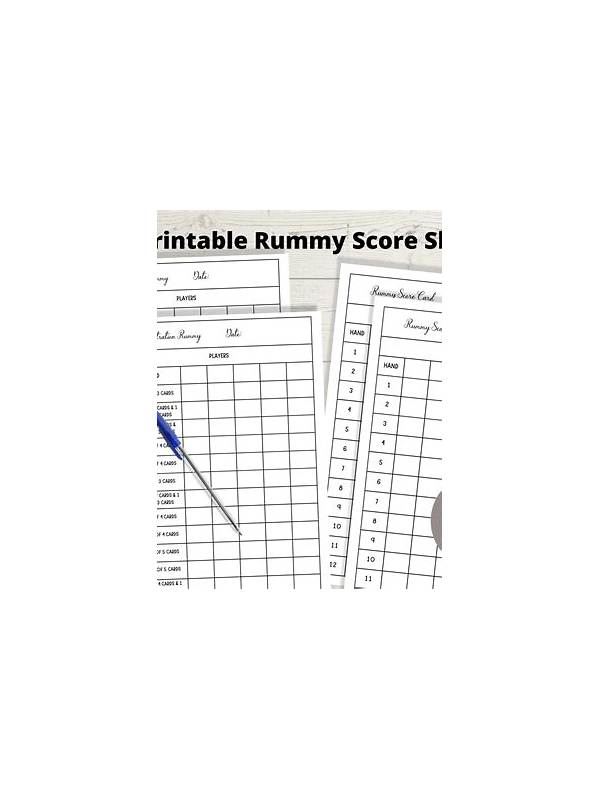
A score sheet is often treated as a place for totals, but it can also become a reliable record of how a round developed. The best sheet stays quick to complete. Record only facts that can improve a future decision: the opening hand shape, the round result, and one reason a plan changed.
Use separate columns for player, round number, points, and whether the round ended by declaration or exhaustion. If your rules use penalties for an invalid declaration, record that event distinctly rather than hiding it inside a total. A visible reason prevents later confusion when two similar scores came from different circumstances.
Add a small “decision note” field. Examples include “held a pair too long,” “missed an open sequence,” or “discarded high card before checking the opponent’s meld.” Keep the note factual and short. “I played badly” is too vague to guide improvement; “kept queen for a narrow one-card route” identifies a testable habit.
At the end of a session, review patterns instead of isolated outcomes. If several rounds contain the same note, choose one focus for the next session. You might check whether you identify alternative groups before committing, or whether you spend too long chasing a card already unlikely to appear. Do not turn the sheet into a complete transcript. Excessive writing interrupts attention and encourages hindsight storytelling.
For digital play, use a note that remains private and does not include passwords, payment details, or personal information. If a screenshot is needed, crop unrelated notifications and account identifiers. A good score sheet answers three questions later: what happened, what did I believe at the time, and what small adjustment is worth testing next? That is much more useful than a list of wins and losses alone.
You can make the habit lighter by using a code of your own. A letter might mark an opening, middle, or endgame issue, while a star identifies a decision worth revisiting. Define the code at the top of the page so it remains understandable later. Avoid recording an opponent’s presumed cards as facts. If you want to capture a read, label it as a hypothesis. This distinction protects the quality of the record and reminds you that a correct observation can still lead to an incorrect choice when timing or penalty changes.
Review the sheet when calm, because memory becomes less reliable immediately after a close finish.
That small review keeps the record useful without making scorekeeping compete with the game.
Related Post

Rummy Comparison: Playing by Feel or by a Written Plan
See when intuition helps and when a short written plan can improve rummy consistency. [...]
Rummy Endgame: When to Stop Improving a Completed Group
Knowing when a group is good enough keeps late-turn attention on the cards that still [...]