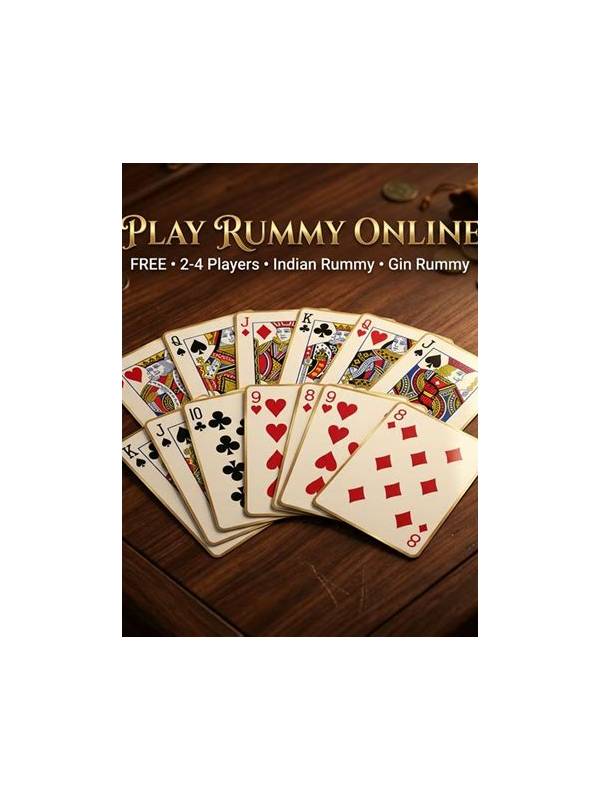
Rummy Comparison: Short Hands and Long Hands
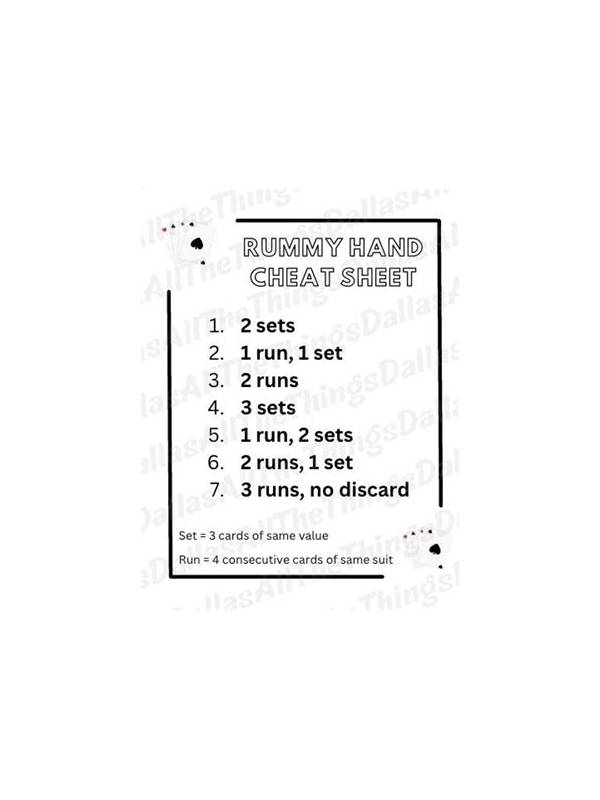
The same card choice can be sensible in a long hand and careless in a short one. In a long hand, you may have time to preserve a broad set of possibilities and wait for evidence. In a short hand, a plan that needs several future draws can become a liability. Comparing the two formats starts with the clock rather than with a fixed preference for pairs, sequences, or low cards.
Short hands make completion distance important. Count how many meaningful turns a plan needs, including the turn required to release an unwanted card. A route that looks close may still need two separate improvements. If the hand can end before those improvements arrive, reduce your commitment or choose a plan with fewer conditions.
Long hands allow more experimentation, but extra time does not make every speculative plan good. Holding too many alternatives can create a crowded hand and delay the moment when you choose a direction. Use longer formats to gather evidence, then set a checkpoint for narrowing the plan. Flexibility is valuable only while it remains affordable.
Penalty and exposure also change with length. A high-value card held briefly may be acceptable when it supports several realistic routes. The same card held through many uncertain turns creates accumulating risk. Conversely, a low-value card can remain in a long hand without much penalty while still blocking a useful space. Compare both its points and its opportunity cost.
Opponent information matters in both formats, but the response differs. In a short hand, a clear opponent signal may justify an immediate defensive discard. In a long hand, it may be better to observe one more turn if your own plan remains healthy. The right response depends on whether waiting gives you useful information or merely delays an inevitable decision.
Before playing, learn the format’s timing and scoring rules. During play, ask: how many useful turns remain, what can improve this hand soon, and what becomes expensive if nothing changes? Those questions adapt to the hand length and keep strategy grounded in the actual decision horizon.
The comparison also applies to review time. In a short format, examine whether you recognized urgency soon enough. In a long format, examine whether you used the extra time to gather evidence or merely delayed commitment. These are different lessons, even when the final score looks similar.
Related Post
Rummy How-To: Use a Three-Question Midgame Check
Three midgame questions reveal whether a hand is improving, waiting responsibly, or carrying an outdated [...]
Rummy How-To: Make a Discard Review Routine
A repeatable checklist helps you choose discards calmly under time pressure. [...]