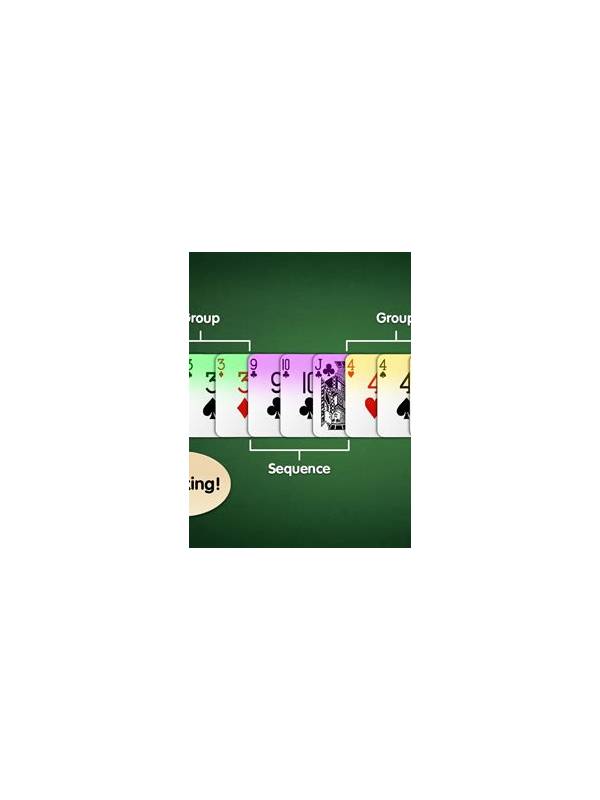
Rummy Turn Transitions: Recheck the Hand After Every Action

Many avoidable rummy errors happen between actions. A player draws a card, continues with the old plan, and only later notices that the hand has changed. A transition check creates a small boundary after each action. It is especially useful online, where animations and automatic sorting can make changes easy to miss.
After drawing, pause long enough to confirm that the new card is actually in your hand. Count the cards and identify whether the draw creates a group, strengthens a bridge, or adds an unrelated possibility. Do not decide the discard while your attention is still focused on the excitement of the new card.
After arranging, check ownership. Make sure each card belongs to one working group or is deliberately unassigned. If the interface has moved cards automatically, compare the displayed order with your intended plan. Automatic layout is a convenience, not proof that the arrangement is strategically sound.
Before discarding, restate the plan in one sentence. It might be “protect the confirmed sequence and look for a second connection,” or “keep the set option while reducing penalty.” Then inspect the candidate discard against that sentence. If the discard makes the sentence false, either choose another card or consciously update the plan.
After discarding, make a final count and note what information you have revealed. Check that the action completed, that the correct card left the hand, and that the turn passed as expected. If a connection problem or interface delay occurs, avoid repeated taps. Read the table state and use the platform’s official support route if the result remains unclear.
These checks should be brief. A transition check is not an invitation to replay every possible arrangement. It is a guard against carrying an obsolete assumption across an action. With practice, each boundary can take only a breath: count, classify, restate, confirm.
The method is also useful for study. When reviewing a hand, mark the first transition where your plan stopped matching the cards. That moment is usually more instructive than the final score. It shows whether the problem came from missing a draw, overvaluing a group, or failing to verify an interface action. Consistent transitions make both play and learning more deliberate.
If you miss a transition, simply resume at the next action. A routine is most useful when it helps you recover, rather than making one missed check feel like a new problem.
The next verified state is always more useful than replaying the missed moment.
Related Post
Rummy Guide: Separate Hand Improvement from Score Protection
Strong decisions balance the chance to improve a hand with the need to limit avoidable [...]
Rummy How-To: Explain a Joker Decision Step by Step
Use a clear sequence of questions to decide whether a joker should complete a group [...]