Rummy Comparison: Known Cards Versus Assumed Cards Rummy Comparison: Known Cards Versus Assumed Cards
Separating visible evidence from assumptions improves decisions about draws, discards, and incomplete groups. [...]
Separating visible evidence from assumptions improves decisions about draws, discards, and incomplete groups. [...]
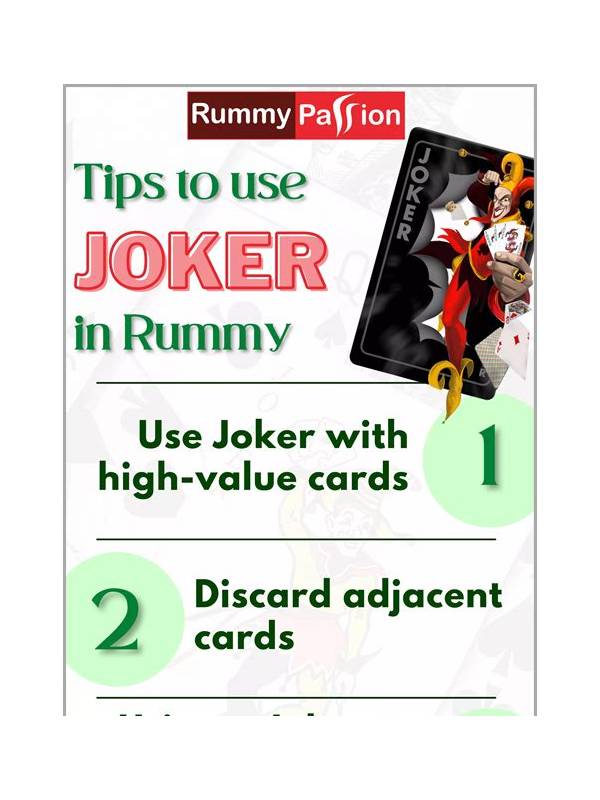
Grouping possibilities into card families helps players notice useful alternatives without tracking every unseen card. [...]

A short endgame checklist reduces missed requirements when the hand is close to completion. [...]

A completed group is useful, but its strategic value still depends on rules, alternatives, and the rest of the hand. [...]
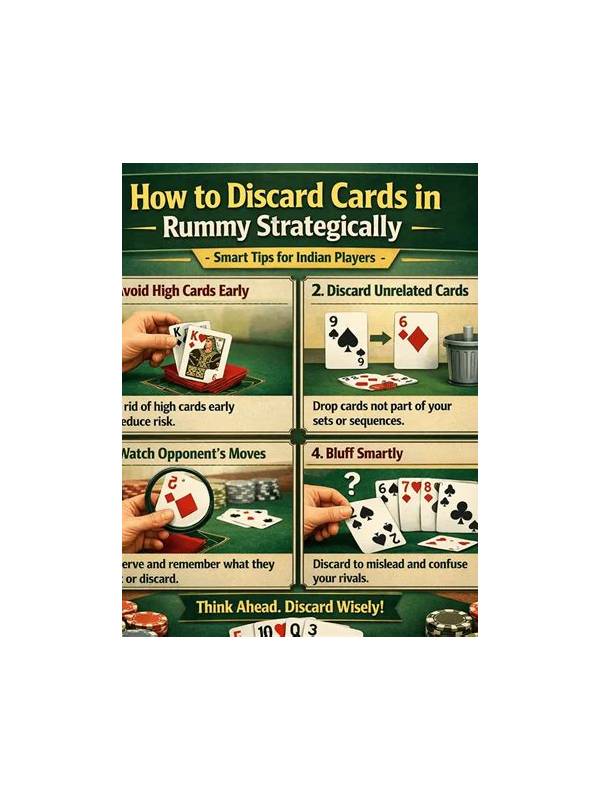
The first discard can reveal your priorities and establish a useful baseline for later decisions. [...]
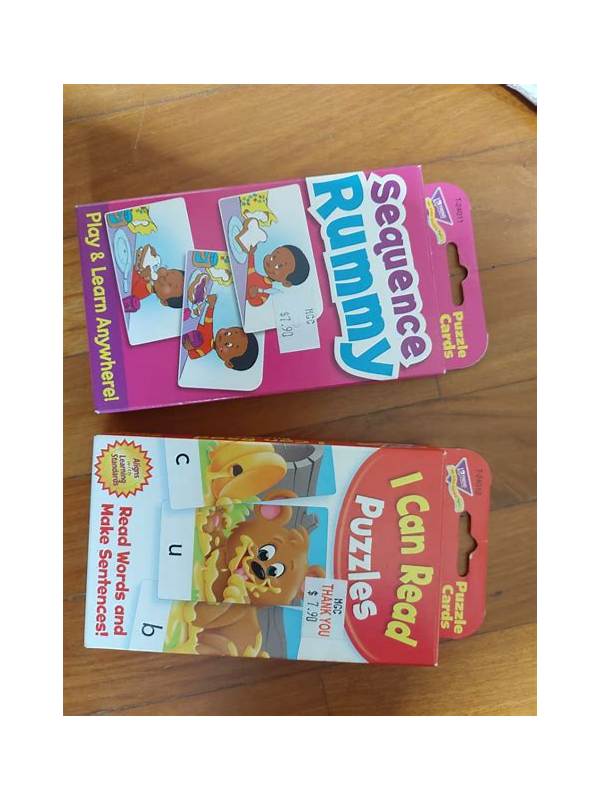
Comparing pair-building and sequence-building shows when each route offers a clearer completion path. [...]

Independent verification helps players avoid acting on convincing but fraudulent payment messages. [...]
A compact missed-draw record separates a flawed estimate from an ordinary unlucky outcome. [...]
Keeping a small number of competing plans preserves flexibility without turning the hand into confusion. [...]

Looking at a card’s next useful job can make close discard decisions easier to explain and review. [...]