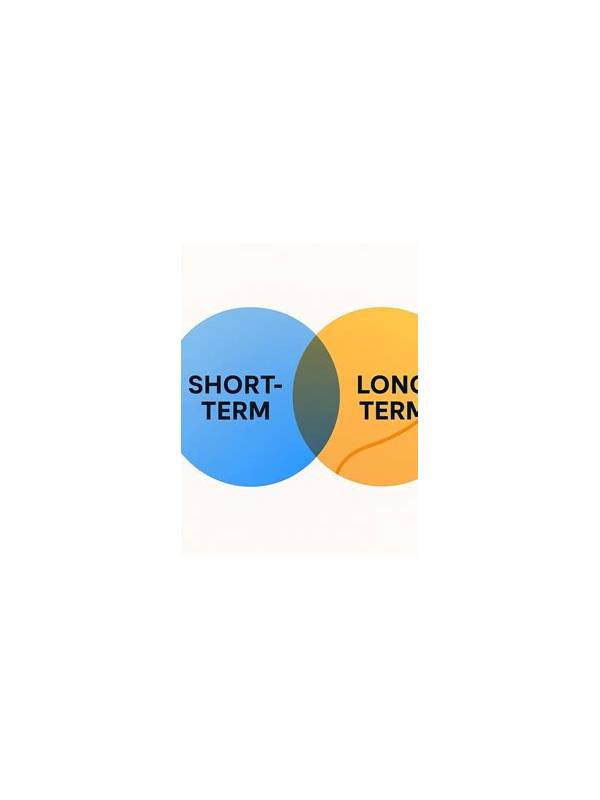
Rummy Comparison: Short-Term Safety Versus Long-Term Potential Rummy Comparison: Short-Term Safety Versus Long-Term Potential
Comparing immediate risk reduction with long-term potential helps you choose a discard when no option is perfect. [...]
Comparing immediate risk reduction with long-term potential helps you choose a discard when no option is perfect. [...]
Unfinished groups compete when they depend on overlapping cards, shared hand space, or the same limited information. [...]

A short pause after a surprising win can prevent excitement from changing your spending or session limits. [...]
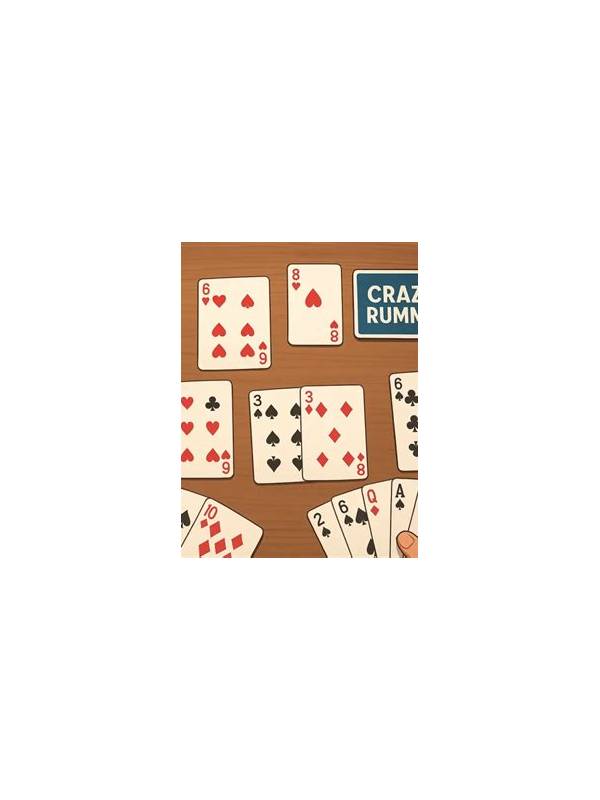
Reading the concrete shape of a rummy hand before telling a story about it leads to clearer plans. [...]
A pair can be useful, but keeping it too long may block a stronger sequence or reduce hand flexibility. [...]
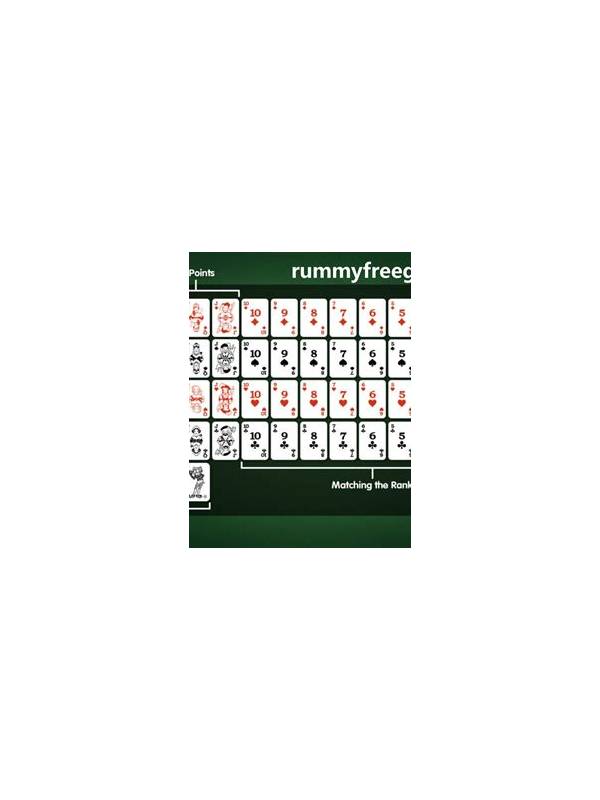
A quick connection map reveals which cards support several paths and which ones are isolated. [...]
Comparing planned and passive waiting shows when holding a card is a decision and when it is simply hesitation. [...]
An anchor card is valuable because it supports several realistic hand-building options, not merely because it looks attractive. [...]

A repeatable opening routine helps you read a new hand before committing valuable cards. [...]
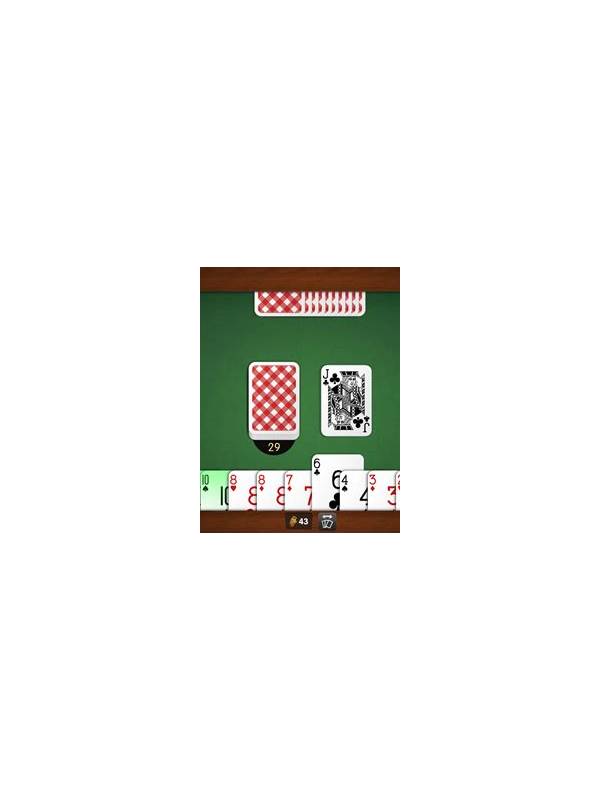
A useful card can still be the right discard when it costs more than it contributes to the current hand. [...]