Rummy Safety: Recognise Fake Support Messages
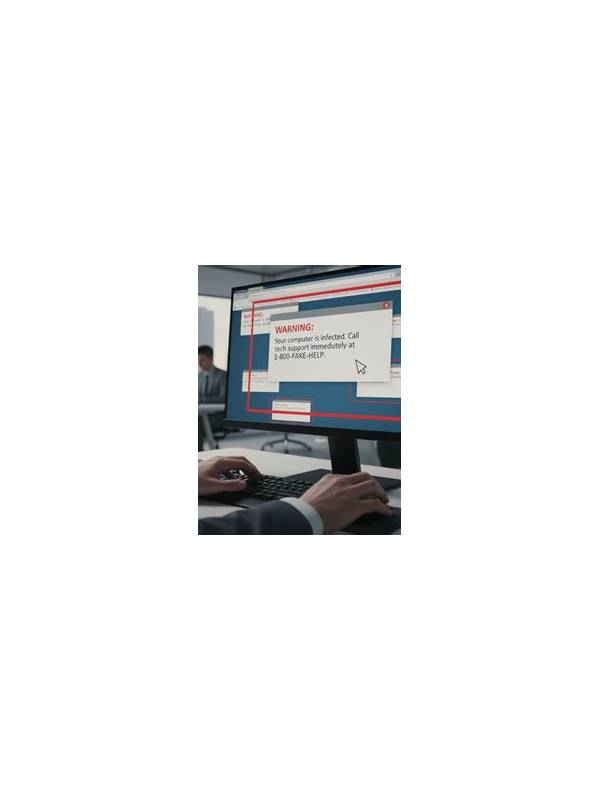
A message that appears to come from a card-game support team may still be fraudulent. Fake support messages commonly claim that an account will be closed, a withdrawal is waiting, or a bonus will expire unless you act immediately. The pressure is designed to stop you from checking the source.
Treat unexpected contact as unverified. Do not click its links, open unknown attachments, or reply with passwords, one-time codes, payment details, or identity documents. Support staff should not need your secret login code. A request for that information is a strong warning sign even when the message uses familiar branding.
Open the service through a bookmark or the official application you already trust. Check whether the same notice appears in the account’s help area. If you need assistance, start a new support conversation from that verified location rather than using the phone number, address, or link in the message.
Look at the details without treating them as proof. Misspelled domains, unusual sender addresses, generic greetings, and inconsistent branding are useful clues. A polished message can still be fake, so the independent-channel check matters more than appearance.
Be especially careful with messages that move the conversation away from the service’s normal support process. A request to use a private chat account, install remote-control software, or keep the exchange secret is not a routine troubleshooting step. End the conversation and verify independently. Legitimate service problems can be handled through a channel whose address you choose yourself.
If you are uncertain, do nothing until you can verify the request. A genuine support issue can wait for an official check, while a scam depends on speed. Share a warning with others only after removing names, addresses, account numbers, and screenshots that reveal private information.
Keep verification calm, private, and independent.
If you already clicked, close the page and do not enter information. Run the device’s normal security checks and change a password from a verified site if you submitted it. If financial information may have been exposed, contact the relevant provider using its official contact method. Keep records of the message for reporting, but do not forward it to friends as a warning without removing private details.
You can reduce future risk by enabling available account alerts, using a unique password, and reviewing active sessions. Safety is strongest when urgency never replaces verification. Pause, navigate independently, and share only the minimum information required through a trusted channel.
Related Post

Rummy Guide: Create a Personal Late-Hand Routine
A repeatable late-hand routine helps players verify legality, reduce risk, and avoid rushed declarations. [...]
Rummy FAQ: What Is a Neutral Draw?
A neutral draw changes your choices without clearly improving or worsening the hand. [...]