Rummy Safety Checklist for Managing Session Budgets
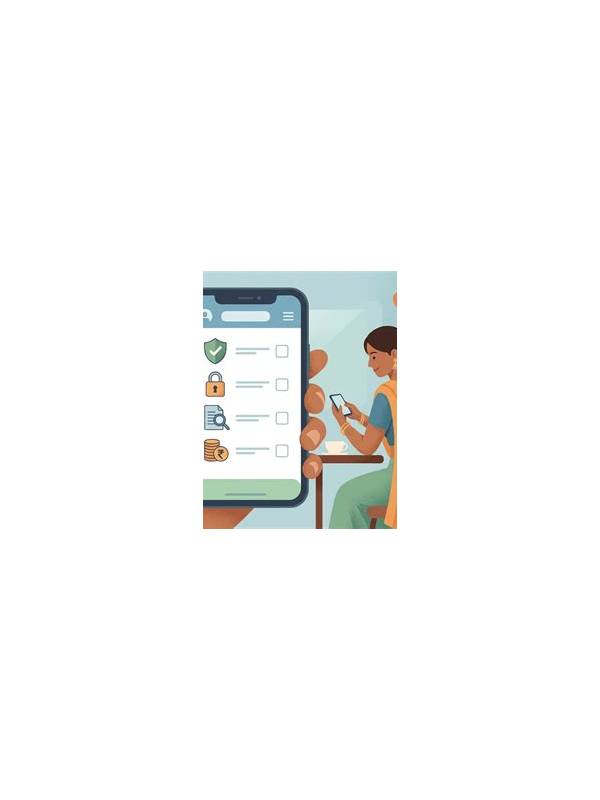
A session budget is more useful when it is decided before play begins. In games that may involve money, waiting until after a win or loss can make the limit feel negotiable. A short checklist creates a pause between intention and action, which is valuable when emotions are high.
Start with a maximum amount that you can afford to lose without affecting essentials. That means excluding rent, food, bills, debt payments, and money reserved for other commitments. A budget is not a prediction of results. It is a boundary for entertainment spending. If the amount feels difficult to accept as a possible full loss, choose a smaller amount or play without a cash stake.
Set a time limit as well. Long sessions can cause tired decisions even when the financial limit has not been reached. Choose an end time and add a reminder before play. Avoid extending the session to recover a loss or to protect a winning streak. Both impulses turn a planned activity into a reaction to recent results.
Separate deposits, entry amounts, and winnings in your notes. Seeing only a balance can make it easy to mistake available funds for a new budget. Keep a simple record of the starting amount, additions, withdrawals, and ending amount. Review it after the session, not during every hand, so the record informs future boundaries without becoming another source of pressure.
Decide your stop signals in advance. Examples include reaching the money limit, reaching the time limit, feeling unusually angry, borrowing to continue, or thinking about hiding activity from someone you trust. A stop signal is effective only if it leads to a real pause. Log out, close the app, and move to another activity. Do not negotiate with the signal while still at the table.
Finally, check local age and legal requirements and use only services you can independently verify. Never share passwords, one-time codes, or payment details in a chat. Responsible play is not a strategy for changing odds. It is a way to keep a leisure activity within limits that remain comfortable before, during, and after the session.
If a limit is repeatedly difficult to follow, take that pattern seriously. A longer break, a non-cash format, or support from a trusted person may be appropriate. The checklist succeeds when it protects ordinary responsibilities and peace of mind, even if that means ending play sooner than expected.
Keep the checklist visible before you start, and record the final result afterward. A record makes the boundary concrete and helps you notice whether the activity remains comfortable over time.
Related Post

Rummy Strategy: Measure a Draw by Its Exit Plan
Every narrow draw should have a clear condition for continuation and a clear reason to [...]
Rummy FAQ: When Is a Discard Too Informative?
A discard is too informative when its value to opponents outweighs the improvement it gives [...]