Reading the Tempo of an Online Rummy Table
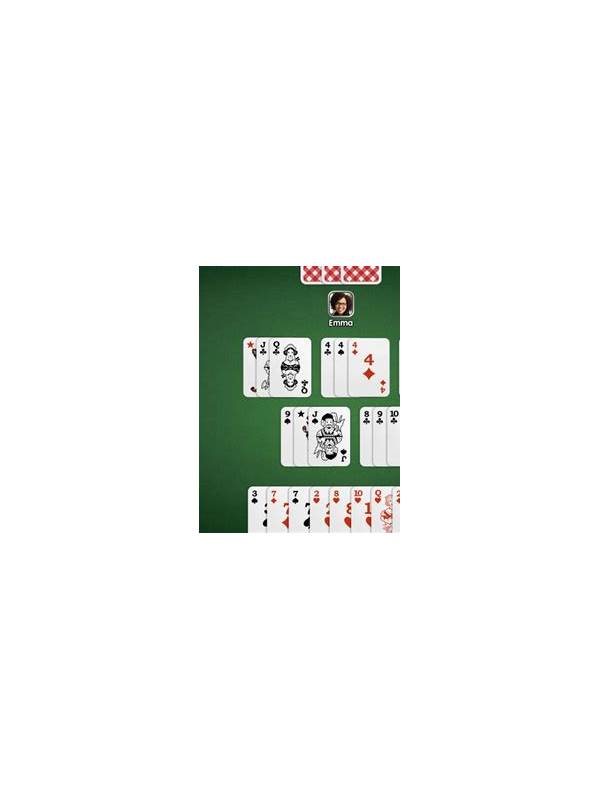
Online rummy has a rhythm that is easy to overlook. Players draw, sort, discard, and declare at different speeds, and that pace can provide useful context. It is not a secret code or a guarantee of what another player holds. It is simply another observation to combine with the cards already visible.
Start by separating routine speed from meaningful hesitation. A player may act quickly because the platform has automated sorting or because the choice is obvious. A pause may mean a difficult hand, a connection problem, or a moment away from the screen. Avoid assigning a story to one action. Look for a pattern across several turns.
Notice when the discard rhythm changes. Someone who has discarded quickly for many turns and then studies a card for longer may be comparing two possible combinations. That does not reveal the exact card they need, but it can remind you to protect flexible cards rather than feed the most useful-looking connection. Likewise, repeated rapid discards may signal that a player is following a settled plan, not necessarily that their hand is weak.
Use tempo to manage your own pace first. If the table becomes fast, take one breath before every discard and check three questions: what groups are already secure, which card carries the most penalty, and what information would this discard give away? A calm routine is more valuable than trying to match another player’s speed.
Tempo is also a practical table-selection clue. A fast table can suit experienced players who enjoy short decisions, while a slower table may be better for learning combinations or testing a new sorting method. Check the stated rules, entry conditions, and time limits before joining. Do not choose a table solely because it looks busy.
Finally, treat interruptions honestly. If your connection is unstable or you are distracted, leave the session when possible. A rushed action can damage a hand and create unnecessary frustration. Reading pace should help you stay attentive, not encourage impulsive play. The strongest use of tempo is modest: observe patterns, protect your concentration, and let the cards—not guesses about personalities—drive the decision. One useful exercise is to replay a round without the result visible. Mark the turns where the pace changed and write two possible explanations for each change. This trains you to keep observations separate from conclusions. In actual play, choose the explanation that affects your hand least unless the cards provide stronger evidence. The exercise also reminds you that timing is noisy information. It can improve awareness, but it should never replace checking the rules, the visible cards, or your own session boundaries.
Related Post
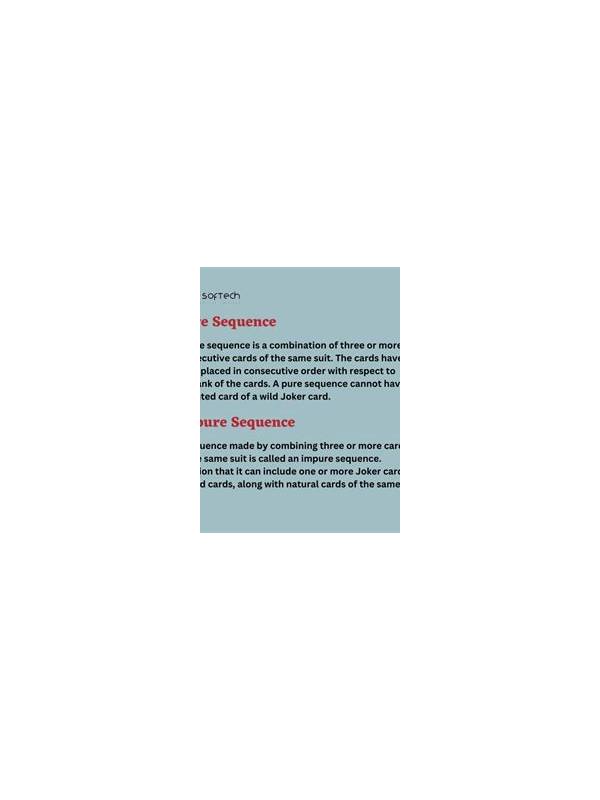
Rummy FAQ: Why Does a Pure Sequence Matter First?
A beginner-friendly explanation of the pure-sequence requirement and how it shapes early decisions. [...]
Rummy Practice: Replay Only the First Three Turns
A short replay exercise can reveal whether your opening plan was clear and adaptable. [...]