Rummy Joker Decisions: Three Questions Before You Keep One
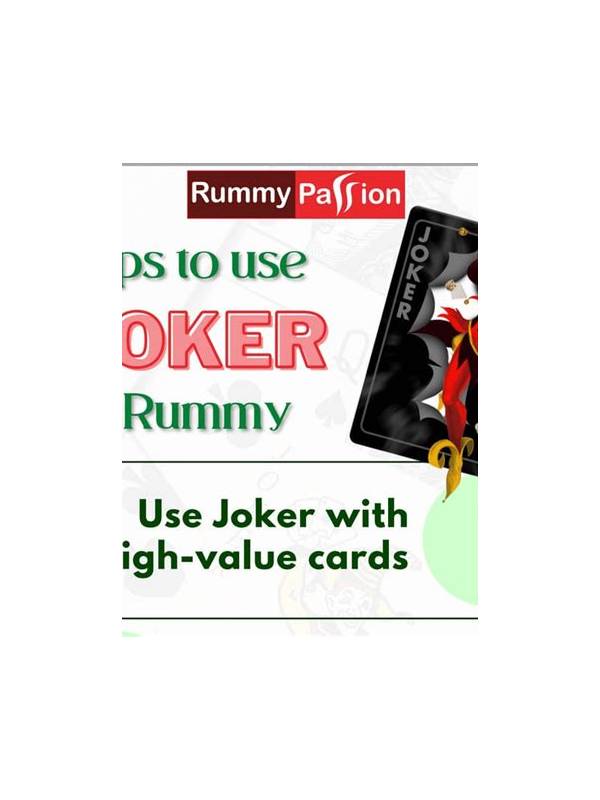
A joker can look like the most useful card in a rummy hand, but its value depends on what it helps you finish. Keeping it automatically is not a strategy. A better approach is to ask three questions whenever a joker arrives.
First, which unfinished group can the joker complete most quickly? Compare a nearly finished sequence with a loose pair that still needs two different cards. If the joker turns a six-seven into a usable three-card sequence, it may be doing important structural work. If it merely sits beside cards that have several possible homes, holding it may not improve the hand as much as expected.
Second, does using the joker protect a required pure sequence? In many Indian rummy formats, a valid declaration needs at least one pure sequence. A joker cannot replace that requirement. Before assigning it to a set or an impure sequence, check whether the hand still has a realistic route to a pure sequence without wild assistance. This simple check prevents a common late-game mistake: a hand that looks complete but cannot be declared.
Third, what is the cost of waiting? A joker has no fixed deadline, yet every turn spent protecting a weak idea is a turn not spent improving the rest of the hand. If the joker has been reserved for a combination that depends on several unlikely draws, release the plan and use it where it creates immediate progress. Flexibility matters more than attachment.
Keep the joker visible in your mental plan, but do not let it hide high-value loose cards. A ten, jack, queen, or king that has no connection may still carry penalty points, even when a joker is present. Sometimes the correct play is to discard a costly card and let the joker support a modest, reliable group.
Finally, reassess after every meaningful draw. The best use of a joker at the start of a round may not be the best use near the end. Treat it as a tool for reducing uncertainty, protecting legality, and shortening the path to a complete hand. That mindset makes joker decisions clearer and keeps the rest of the hand active.
It also helps to compare the joker with the card it replaces. If the substitute is a low-point card that could serve several groups, spending the joker may waste flexibility. If the substitute is an isolated king or queen, the exchange may remove substantial risk. Keep this comparison practical, and remember that a joker does not guarantee a good declaration. The surrounding groups still need to be legal, understandable, and complete.
Related Post
Rummy Table Entry: Check Conditions Before You Join
A quick entry review confirms the format, pace, cost, and exit conditions before a rummy [...]
Rummy FAQ: Can a Low-Point Card Still Be Dangerous?
Low points reduce scoring risk but do not guarantee that a card is safe to [...]