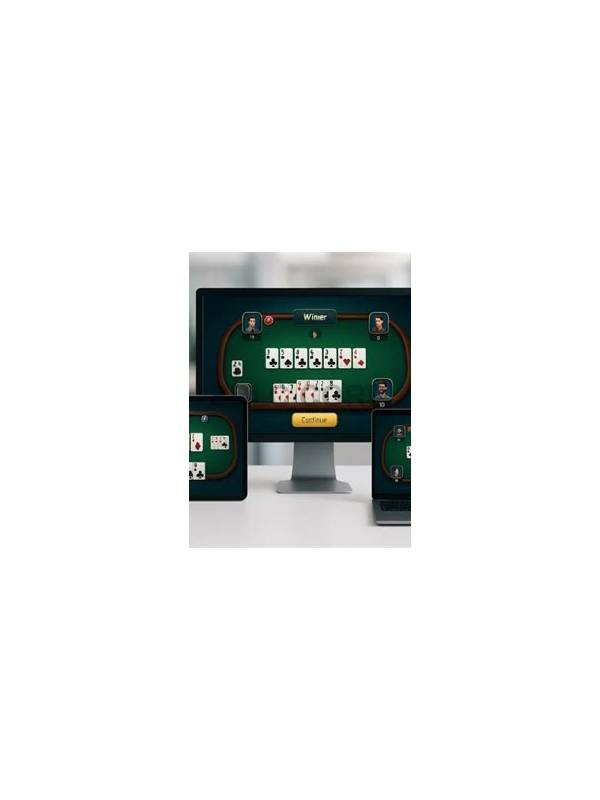
Rummy Comparison: Single-Deck and Multi-Deck Planning

The same hand can feel very different when the game uses one deck instead of multiple decks. In a single-deck game, every visible card removes a specific possibility from the supply. In a multi-deck game, duplicates are more common, so a repeated rank or suit may remain a realistic target for longer. Planning should reflect that difference rather than copying a strategy from one format to another.
Single-deck play usually rewards close attention to visible cards. If several useful connectors have appeared in the discard area, a narrow sequence may be less attractive. Holding a high-value card while waiting can also be costly when alternatives are scarce. Build plans that can survive a few unavailable cards, and reconsider quickly when the table removes an essential link.
Multi-deck play creates more duplication, but it does not make every draw safe. Other players may also be collecting the same rank, and a card that seems common can still be valuable to an opponent. More copies can support sets and repeated sequence patterns, yet they can also make the table harder to read. Use repeated cards as opportunities, not guarantees.
The information value of an open discard changes too. In a single deck, taking a card clearly removes it from the available pool and may reveal a strong intention. In a multi-deck format, the same action reveals less about whether another copy remains. Watch the flow of cards, but keep conclusions proportional to what the format allows you to know.
Before switching formats, write a short rule card: deck count, hand size, joker treatment, and declaration conditions. Then adjust three habits—how long you chase a draw, how heavily you weigh visible cards, and how quickly you protect a promising set. Understanding the supply structure makes the transition smoother than relying on labels such as “loose” or “tight” play.
The comparison also affects practice design. In a single-deck format, review which visible cards removed useful routes. In a multi-deck format, review whether you abandoned a plan too early because you assumed a duplicate was unavailable. Keep separate notes for the two formats so habits do not blur together. The goal is to notice how supply changes the value of patience and information.
Before a session, write the format at the top of your notes. This small label prevents a common error: applying a remembered probability or discard habit from another game. Compare results within the same format first, then ask which observations transfer. Clear labels make improvement easier to measure.
Related Post

Rummy Comparison: Speed of Play Versus Quality of Review
Fast play and deliberate review serve different purposes, so the better pace depends on the [...]
Rummy Multiple Draw Options: Compare the Cost of Waiting
Compare possible draws by flexibility, risk, and the number of future decisions they preserve. [...]