Rummy How-To: Practice With a Delayed Reveal
A delayed-reveal exercise trains the part of rummy that matters most during live play: choosing with incomplete information. Instead of checking the answer after every possible move, record your decision first and reveal the result only after you have compared the main alternatives. The delay makes your reasoning visible rather than letting hindsight rewrite it.
Create a small practice position with a hand, a discard area, and the rules for the variant. Hide the next card or final layout. Give yourself a normal decision window, then write down the draw you would take, the discard you would make, and the reason. Include one alternative that you rejected. Keep the notes factual and brief.
After committing, reveal the next piece of information. Do not immediately score the decision as right or wrong. First ask what changed: did a plan become complete, did a card become unavailable, or did your original choice still preserve the best options? Continue for several turns before viewing the final result if the exercise allows it.
When reviewing, separate three outcomes. A choice may have been strategically sound and unlucky, strategically weak but fortunate, or reasonable under the information available. Note which category applies and why. This protects practice from the common mistake of copying the winning line without understanding its assumptions.
Vary the exercise by hiding different kinds of information. Hide the next draw to practice planning, hide another player’s hand to practice inference, or hide the final score to practice risk control. Keep the setup small enough to repeat. Delayed reveal is valuable because it strengthens the habit of stating a plan before the result gives you an easy explanation.
Keep the exercise fair by using rules you know and positions that have more than one reasonable choice. If only one move is legal, the task tests recall rather than judgment. You can ask a practice partner to prepare the hidden information and reveal it in stages. Discuss reasoning only after both players commit, encouraging curiosity about alternatives instead of a search for one magical move.
Use a timer only to approximate the real format, not to create unnecessary stress. If the exercise becomes anxious, shorten the position and restore a calm review. Good practice should make uncertainty easier to handle, not turn every hidden card into an emergency.
Related Post
Rummy Comparison: Drawing From the Open Pile or Closed Pile
The open and closed piles offer different information and risk, so the better draw depends [...]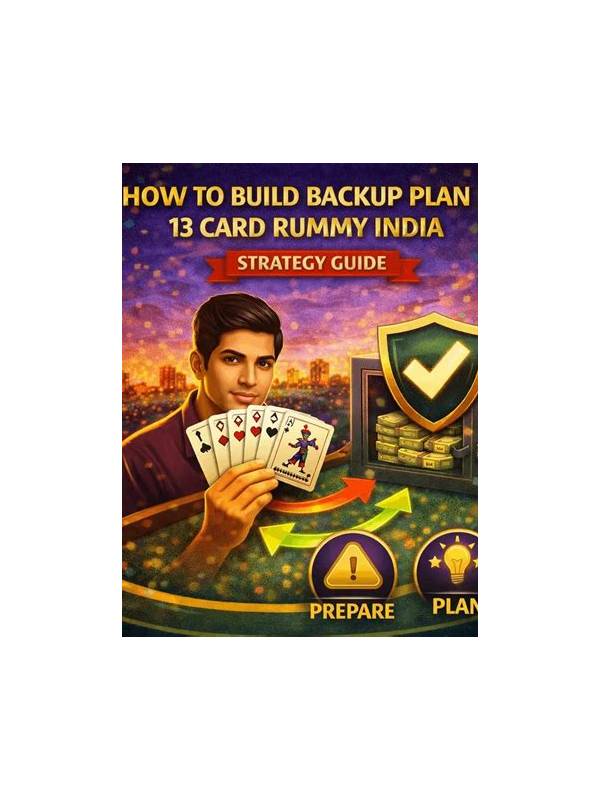
Rummy Guide: Choose a Primary Plan and a Backup Plan
One primary plan and one backup plan can preserve flexibility without making a rummy hand [...]